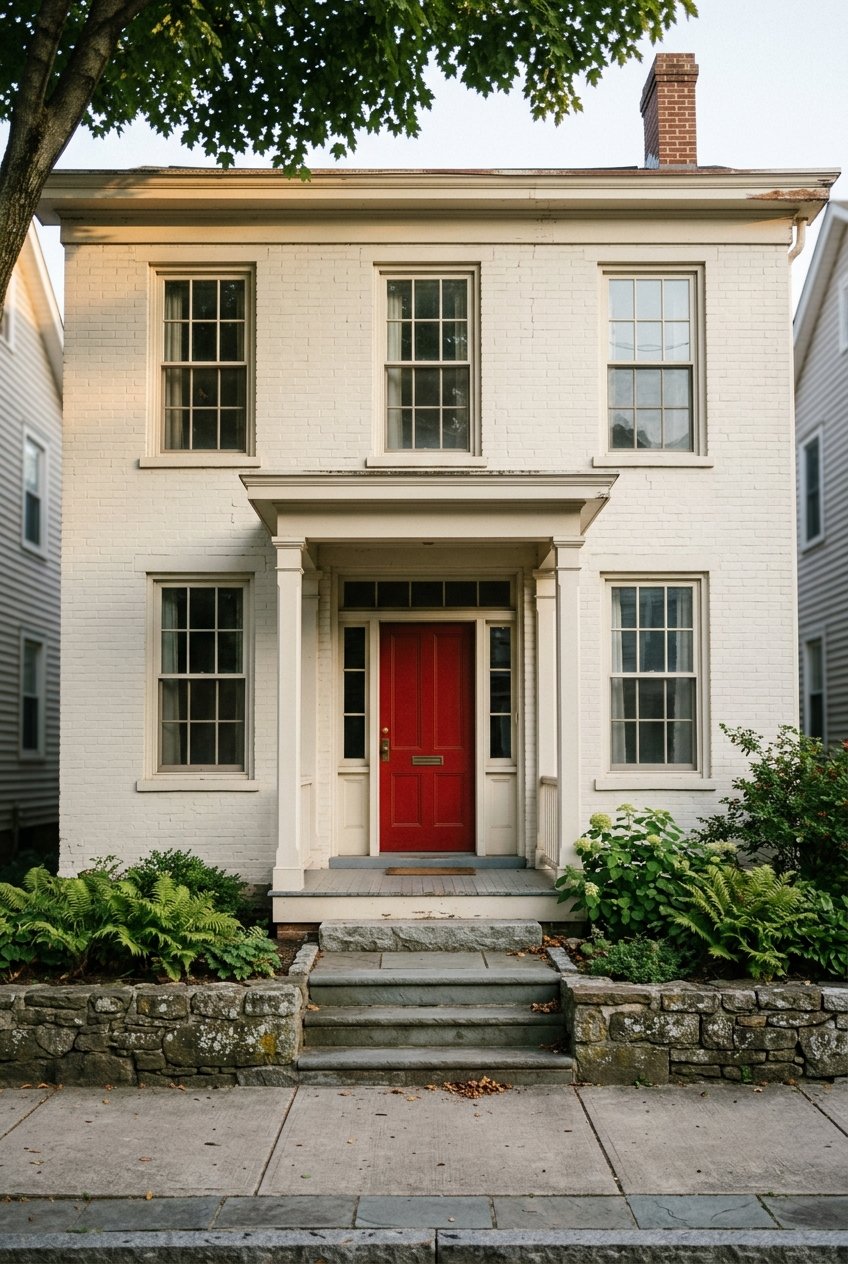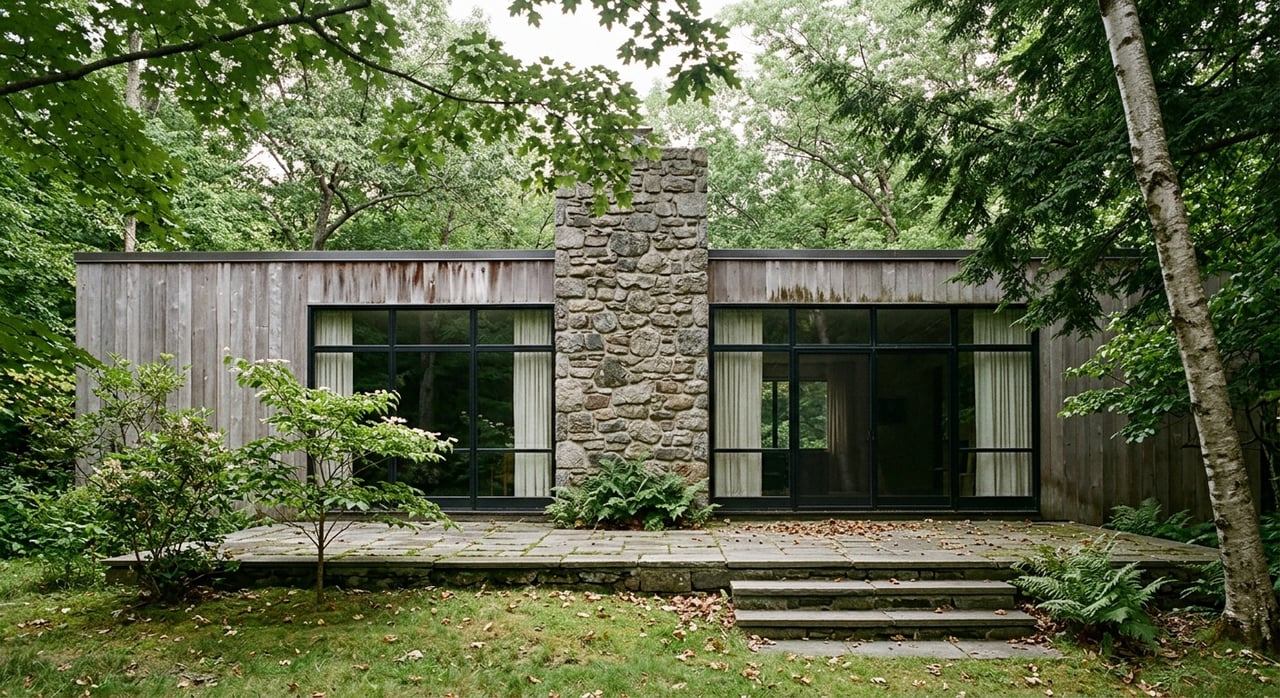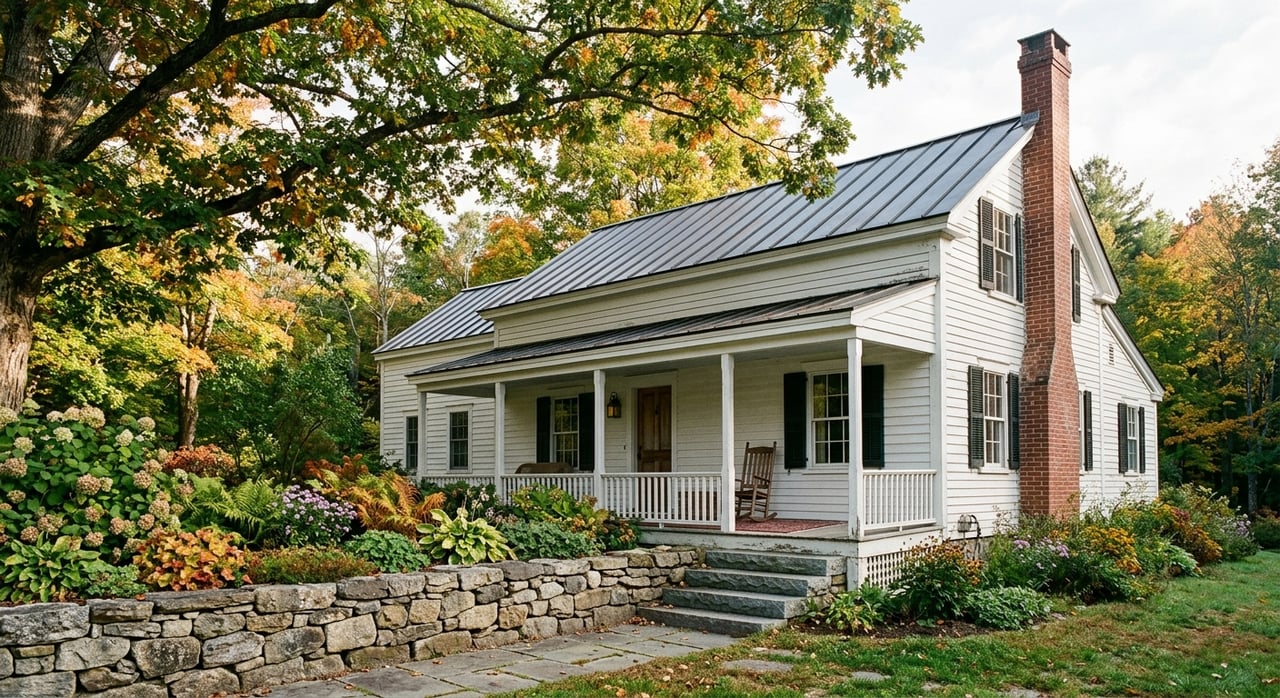
If you are selling a home in Columbia County, the usual listing playbook may not be enough. In a market shaped by history, architecture, landscape, and a strong sense of place, buyers often respond to more than square footage and specs. A thoughtful editorial approach can help your home stand out, attract more qualified attention, and communicate value with clarity. Let’s dive in.
Why Columbia County calls for stronger storytelling
Columbia County has qualities that make presentation especially important. New York State notes that the county has more than 50 public heritage sites, and that context helps explain why provenance, architecture, and setting matter so much here.
This is also a relatively stable, owner-occupied market. Census data shows a 2024 population estimate of 60,299, an owner-occupied housing rate of 76.3%, and a median owner-occupied home value of $347,100. Many residents stay put as well, with 91.8% living in the same home for at least a year.
The county’s low density, at 97 people per square mile, also shapes how homes are experienced. Many listings are not competing as generic suburban inventory. They are farmhouses, historic village homes, rural retreats, cottages, and estates where character and setting carry real weight.
There is also a destination quality to the area. Columbia County tourism highlights culture, history, recreation, antiques, galleries, scenic roads, farm markets, and unique retail, which reinforces the idea that buyers are often choosing not just a house, but a way of living in the Hudson Valley.
What editorial marketing means
Editorial marketing is not about making a listing feel flashy or overproduced. It is about presenting a home with the same care, structure, and visual intelligence you would expect in a well-crafted magazine feature.
In practice, that usually includes curated photography, narrative-rich listing copy, staging, virtual presentation tools, and selective distribution. The goal is to help buyers understand what makes the property distinctive, and why those details matter.
That matters because buyers are already searching this way. The National Association of Realtors reports that 51% of buyers found their home through online searches, and 41% said photos were very useful.
When your listing appears online, the visuals and the written story often make the first impression long before a showing is scheduled. In a place like Columbia County, where many homes have layered histories and design details, that first impression needs depth.
Why it works in Columbia County
Heritage creates natural storylines
Columbia County has a preservation-rich identity. The Columbia County Historical Society’s mission centers on preserving and interpreting the county’s history and buildings, and its sites include important examples of Federal and Dutch Colonial architecture.
That backdrop matters for real estate. If your home has original materials, restoration history, period details, or a meaningful relationship to its landscape, those are not side notes. They are part of the property’s value story.
The region’s landmark destinations make this easy to understand. Olana, Clermont, and the Martin Van Buren National Historic Site all show how architecture, interiors, landscape, and history can be experienced together rather than as separate features.
Many buyers are choosing a place, not just a house
Columbia County appeals to buyers looking for a full regional experience. A listing here may need to speak to village life, scenic roads, cultural amenities, restoration potential, or riverfront setting, depending on the property.
That is especially true for out-of-area buyers. Hudson’s Amtrak station connects the area to New York’s Moynihan Train Hall on the Empire Service route, and the station is within walking distance of downtown shops, galleries, restaurants, and varied architecture.
For a buyer coming from New York City or another urban market, the home search often begins online and from a distance. Editorial marketing helps bridge that gap by translating atmosphere, design, and setting into something they can understand before they ever step inside.
What an editorial listing does better
It helps buyers see the home clearly
A good editorial listing does not rely on vague adjectives. It uses honest visuals and specific language to show what is actually there.
That might mean highlighting original wide-plank floors, hand-finished plaster walls, a long western view, a rebuilt porch, a barn with studio potential, or the way morning light moves through a stair hall. Buyers need help connecting details to experience.
This is where strong copy matters just as much as strong photography. Photos attract attention, but the written description explains what the buyer is seeing and why it is meaningful.
It attracts more qualified interest
Not every home needs the same buyer. In Columbia County, some properties appeal most to preservation-minded buyers, while others resonate with design-focused weekenders, rural lifestyle seekers, or buyers who want proximity to Hudson and rail access.
Editorial marketing helps narrow the message without limiting reach. Instead of trying to appeal to everyone, it gives the right buyers a reason to care.
That can lead to better inquiries, more informed showings, and stronger conversations around value. For homes with character or complexity, that kind of qualified attention is often more useful than broad but shallow traffic.
It supports staging and presentation
Staging is a core part of this approach because it helps buyers visualize how a space lives. According to NAR’s 2025 staging report, 83% of buyers’ agents said staging made it easier for buyers to picture a property as their future home.
The same report found that 29% of buyers’ agents said staging led to a 1% to 10% increase in the dollar value offered, and nearly half said it reduced time on market. That does not guarantee a specific outcome, but it does show how presentation can influence buyer response.
In a county where homes often have unusual layouts, period rooms, or layered outbuildings, thoughtful staging can provide clarity without stripping away character.
What sellers should include in the story
The strongest editorial listings are built from specifics. If you are preparing to sell, it helps to identify the details that make your home distinct and credible.
Consider elements like:
- Architectural style
- Original materials and craftsmanship
- Restoration or renovation history
- Light and orientation
- Views and landscape features
- Barns, studios, guest spaces, or other outbuildings
- Relationship to a village, riverfront, or rural setting
- Access points such as proximity to Hudson or Amtrak
These details help shape a marketing narrative that feels grounded rather than generic. They also give buyers context for understanding pricing, condition, and lifestyle fit.
Why truth matters in high-end presentation
Editorial marketing should elevate a listing, but it should never distort it. The best version of this strategy is precise, beautiful, and honest.
That means photography should reflect the property accurately. If images are enhanced in ways that materially alter the home, NAR’s consumer guidance says those changes should be disclosed.
In practical terms, trust matters. Buyers who travel for a showing or arrive with strong expectations want the home they saw online to match the one in front of them.
Beyond the MLS: broader visibility
In Columbia County, some homes can resonate beyond standard listing channels because the region already carries strong associations with design, culture, art, history, and scenic living. That creates room for a listing to be presented in a more editorial way and to connect with a broader audience.
For the right property, this kind of presentation can help the home feel relevant not only to active local buyers, but also to people searching from New York City and beyond who are drawn to architecture, restoration, and Hudson Valley living.
This is where a boutique brokerage with a design-led point of view can make a difference. A listing benefits when the marketing is not just distributed widely, but also shaped carefully.
Why this approach fits Annabel Taylor
Annabel Taylor’s brand is built around editorial, design-led marketing for architecturally significant homes in Hudson and the greater Hudson Valley. That includes commissioned photography, narrative-driven property copy, staging insight, and thoughtful outreach designed to reach design-minded buyers.
That approach is especially well suited to Columbia County. From historic in-town homes and townhouses to riverfront cottages, estates, and multi-acre country properties, the common thread is that these homes often deserve interpretation as much as exposure.
When a property has provenance, texture, and a strong sense of place, a standard listing can leave value on the table. A more editorial presentation gives buyers a fuller understanding of what they are seeing and why it matters.
If you are considering selling in Columbia County, the question is not just how to list your home. It is how to tell its story in a way that feels true to the property and compelling to the right audience.
If that is the kind of thoughtful representation you want, Annabel Taylor can help you bring that story to market.
FAQs
What is editorial marketing for a Columbia County home listing?
- Editorial marketing for a Columbia County listing means using curated photography, detailed storytelling, staging, and thoughtful distribution to present the home’s design, setting, and history with more clarity and depth.
Why does editorial marketing matter in Columbia County, NY?
- It matters because many Columbia County homes are valued for more than basic features. Architecture, landscape, restoration history, and regional lifestyle can all influence buyer interest.
Can editorial marketing help attract out-of-area buyers to Columbia County?
- Yes. Because many buyers begin their search online, strong visuals and narrative context can help people from New York City and other markets understand the property before they visit in person.
Does staging make a difference for Columbia County listings?
- Staging can help buyers visualize how a home lives, especially when a property has period rooms, unusual layouts, or multiple structures. NAR data also suggests staging may support stronger offers and less time on market.
What details should sellers highlight in a Columbia County listing?
- Sellers should focus on factual details such as architectural style, original materials, restoration history, light, views, landscape, outbuildings, and the home’s relationship to its village, riverfront, or rural setting.