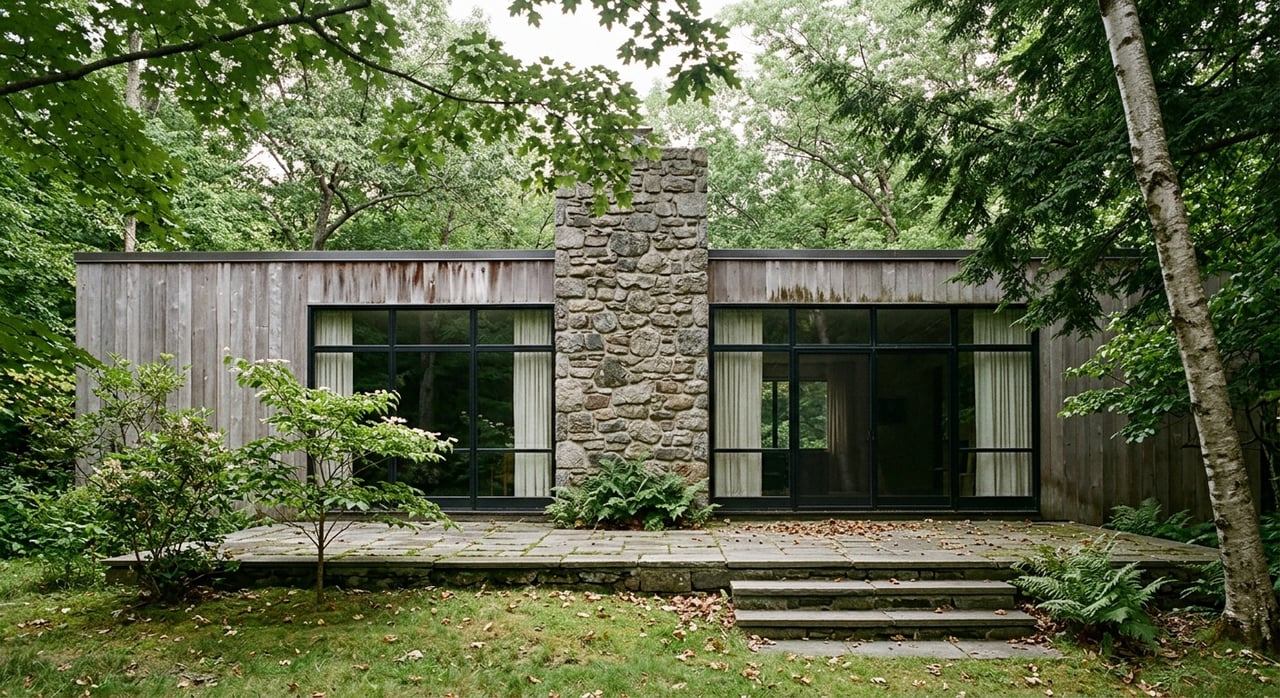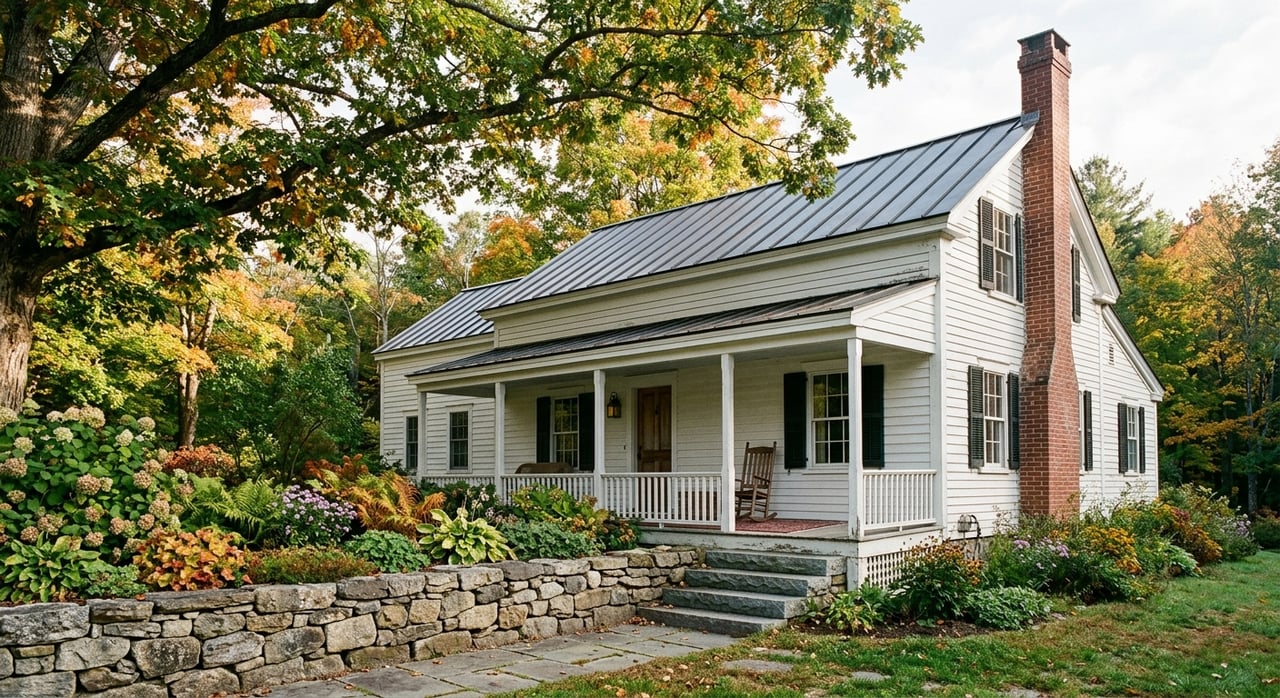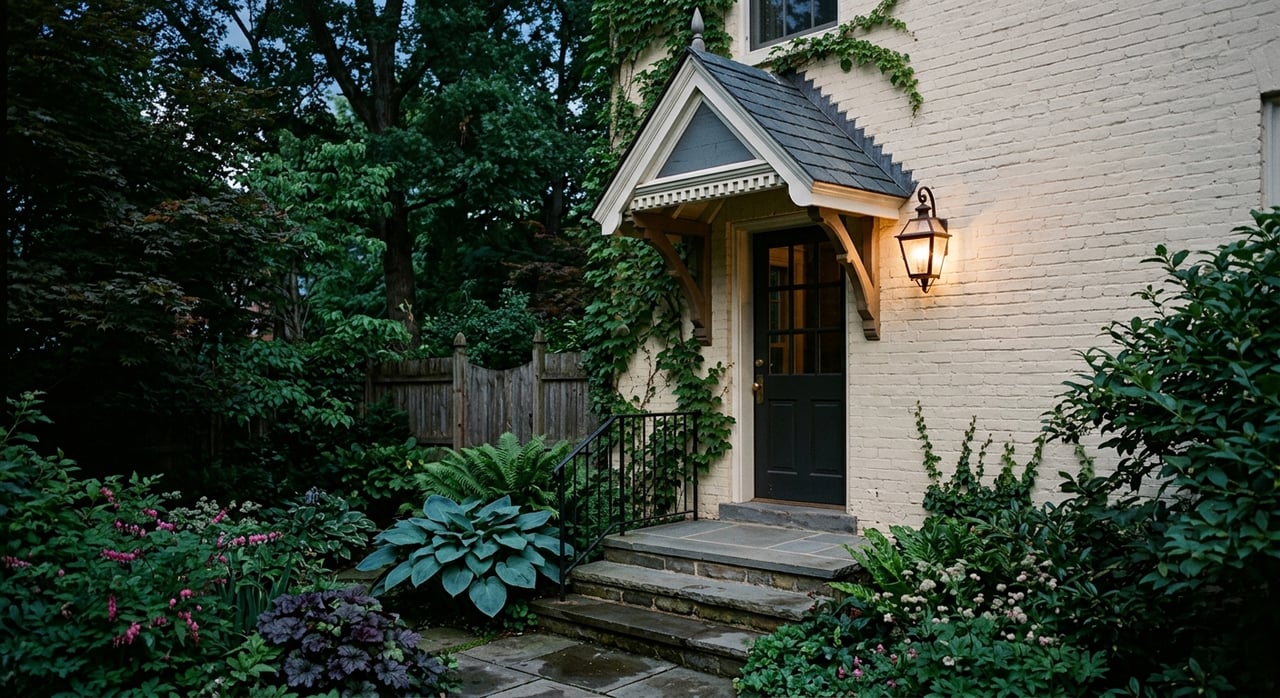
What draws so many people to a historic village home is not just the house itself. It is the feeling of daily life wrapped around it: a walk to Main Street, a view toward the water, a streetscape shaped by centuries instead of a single development cycle. If you are considering living in a historic Catskill village home, it helps to understand both the romance and the realities. Here is what makes Catskill distinctive, and what you should know before you buy.
Why Catskill feels different
Catskill sits where Catskill Creek meets the Hudson River, and that setting shapes the village in a very practical way. Official local and state sources describe a place defined by historic architecture, waterfront access, a walkable core, and an active arts corridor. You feel that overlap right away.
The village center is compact and mixed-use, especially in the Downtown Creek District. Stores, restaurants, businesses, cultural venues, and residences are woven together in a relatively small area. That pattern gives Catskill an everyday rhythm that feels lived-in rather than staged.
For many buyers, that is the appeal. You are not looking at a historic home in isolation. You are looking at a house that is part of a working village, where short trips on foot can still shape the day.
What village life looks like
Catskill is widely described as walkable, and in many areas that is true. The village comprehensive plan calls it a very walkable community, with residential density and small lots that support easy access to downtown and local institutions. In simple terms, many homes are close enough to make walking part of your routine.
That said, the walking experience is not identical on every block. The same plan notes that some sidewalk segments between Greene Street and Marina Drive are narrow or missing, especially along the connection between downtown and the waterfront. If walkability is high on your list, it is worth paying attention to the exact street and route, not just the general idea.
This block-by-block variation matters with historic homes. One address may feel tucked into the village core, while another may offer more privacy or a quieter edge-of-downtown experience. Neither is better across the board. It depends on how you want to live.
The historic housing stock is rich and varied
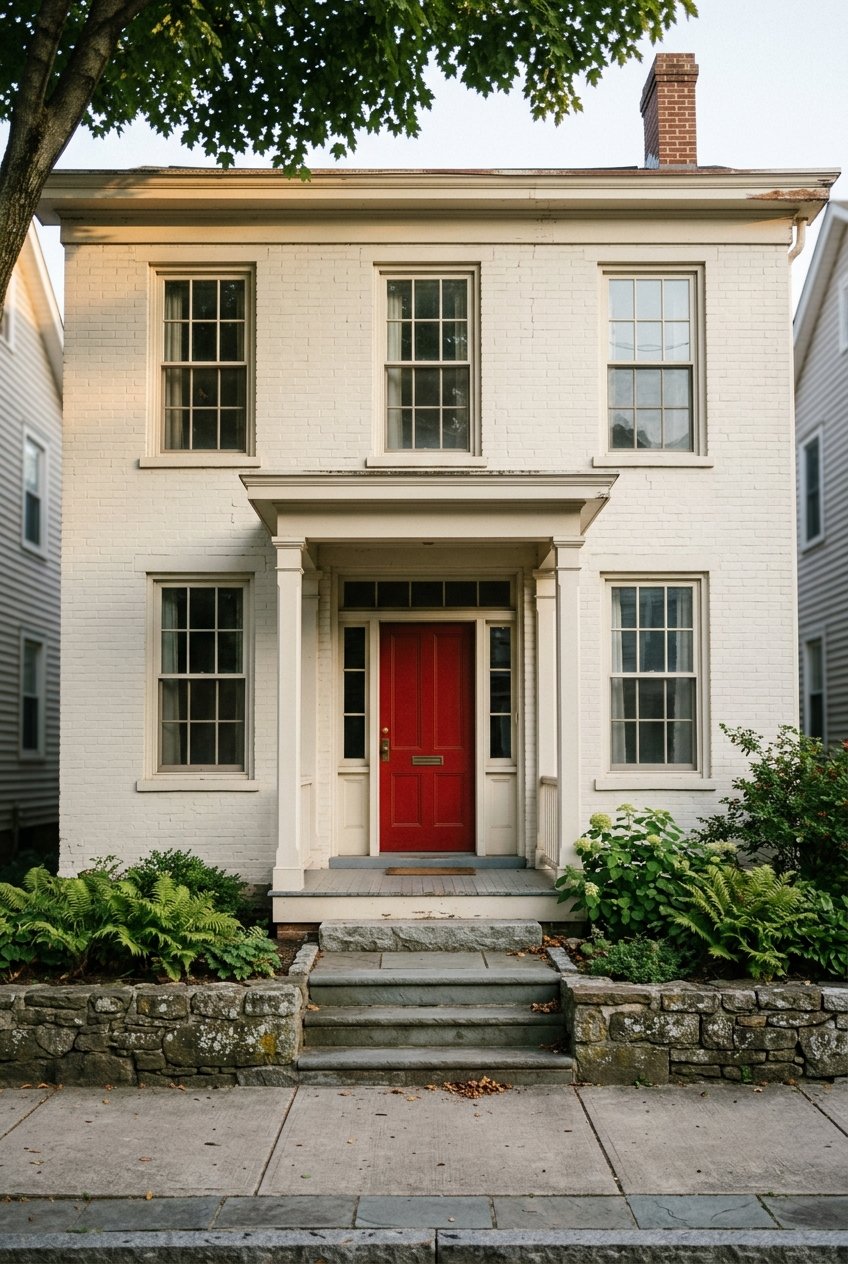
Catskill’s architectural interest is not limited to one style or one era. The village comprehensive plan identifies Victorian, Greek Revival, Queen Anne, Italianate, and French Second Empire architecture within the village. That range creates a layered streetscape that tends to appeal to buyers who care about proportion, material, and detail.
The East Side Historic District is the architectural heart of historic Catskill. According to the village comprehensive plan, it includes 530 contributing buildings and one contributing site across more than 200 acres, and it was listed on the National Register of Historic Places in 1982. This is a substantial historic district, not a token pocket of preserved homes.
For a design-minded buyer, that scale changes the experience of ownership. You are not just buying an older house. You are buying into a broader built environment where historic fabric still sets the tone of the neighborhood.
Why preservation is part of ownership
Owning a historic village home in Catskill often comes with a stewardship mindset. Local sources make clear that preservation and restoration are central to maintaining the village’s identity and sense of place. That is part of the charm, but it is also part of the responsibility.
In the Historic District, permits are required for alterations and renovations, including painting, windows, and siding. That means exterior changes are not simply a matter of personal preference or convenience. If you are considering updates, you will want to understand local review requirements early.
This does not have to be a drawback. For many buyers, it is one of the reasons Catskill remains visually coherent and historically intact. But it does mean that a historic house purchase should come with curiosity, patience, and respect for the building’s original character.
Features buyers often value most
When people are drawn to historic village homes in Catskill, they are often responding to a mix of details rather than one headline feature. Common points of appeal include:
- Tall double-hung windows and formal window placement
- Original or period-appropriate cornices, trim, and porches
- Painted brick, clapboard, and other traditional materials
- Mature trees, stone steps, and older garden walls
- A location that connects architecture with village life
These details can make a house feel grounded in place. They also tend to reward thoughtful restoration over fast cosmetic updates.
Water is part of the lifestyle
In Catskill, riverfront life is not a distant idea. Dutchman’s Landing Park sits at the eastern end of Main Street, where Catskill Creek meets the Hudson River, and local sources describe it as a public space with boat launch ramps, picnic areas, grills, and a playground. Historic Catskill Point and creek-side dining with dockage further reinforce the village’s connection to the water.
For homeowners, that translates into more than just scenery. It means the waterfront can become part of your weekly routine, whether that is a morning walk, time near the creek, or simply the visual presence of the river landscape in everyday life. In a historic village, that kind of public access adds unusual depth to the setting.
It also helps explain why Catskill feels both local and regional. The village is small in scale, yet the river gives it a broader horizon.
The arts are woven into daily life
Catskill’s cultural identity is one of the reasons historic homes here resonate so strongly with buyers. The Thomas Cole National Historic Site anchors that story, with the artist’s home, studio buildings, gardens, and the larger legacy of the Hudson River School. Catskill’s place in that history is not incidental. It is central to how the village is understood.
But the arts scene here is not only about the past. Foreland’s waterfront campus occupies former mill buildings along Catskill Creek and functions as a cultural district and commercial promenade. Bridge Street Theatre, in a refurbished industrial building, is another sign that the village’s creative life remains active and visible.
That blend of heritage and current cultural use is part of what makes Catskill different from a village that feels preserved but static. Here, older buildings still carry new energy.
Practical points to weigh before you buy
Historic charm should always be matched with practical due diligence. In Catskill, one of the most important considerations is flood awareness. The village comprehensive plan discusses flood-prone areas, FEMA compliance in floodplain development, and the village’s Flood Damage Prevention Ordinance.
If you are looking at an older home near the creek or river, flood review should be part of your normal process. That includes understanding location, elevation, and any regulations that may affect future work on the property. It is much better to evaluate these questions upfront than to treat them as a surprise later.
Access is another reason buyers consider Catskill. Greene County notes direct access via New York State Thruway Exit 21 and the Rip Van Winkle Bridge, which connects to the Amtrak station in Hudson. For buyers balancing village life with city ties, that convenience can make full-time living, weekend use, or hybrid schedules more realistic.
Catskill is also part of a functioning year-round community. Catskill Central School District serves about 1,200 students across three buildings and offers AP classes along with visual and performing arts opportunities. Whether or not that is relevant to your household, it is one more sign that the village supports everyday residential life, not just seasonal appeal.
Who tends to love living here
Catskill village homes often appeal to buyers who want architecture and lifestyle to support each other. You may be drawn to a house with provenance, but you also want a morning coffee run, a walkable Main Street, nearby arts venues, and access to the waterfront. In Catskill, those pieces can exist together.
The village can also be a strong fit if you appreciate older homes as living structures rather than polished museum pieces. Historic ownership here asks you to notice materials, details, and local context. For many people, that is exactly the point.
If you are looking for a place where preservation, design, and daily life overlap, Catskill offers a compelling version of Hudson Valley village living. And if you are buying thoughtfully, understanding the block, the district, and the practical realities will help you find a house whose story fits your own.
If you are considering a historic home in Catskill or preparing to sell one with architectural character, Annabel Taylor brings a design-led, narrative-driven approach shaped by deep Hudson Valley knowledge.
FAQs
What is it like to live in a historic Catskill village home?
- Living in a historic Catskill village home often means being close to Main Street, the waterfront, and cultural venues while caring for an older house with period details and preservation considerations.
What historic architecture styles are found in Catskill, NY?
- Local planning documents identify Victorian, Greek Revival, Queen Anne, Italianate, and French Second Empire styles in the village.
What is the East Side Historic District in Catskill?
- The East Side Historic District is the village’s main historic district, with 530 contributing buildings and one contributing site across more than 200 acres, listed on the National Register of Historic Places in 1982.
Do you need permits to renovate a historic home in Catskill?
- Yes. Village code states that permits are required for alterations and renovations, including painting, windows, and siding in the Historic District.
Is Catskill, NY walkable for full-time residents?
- Catskill is described in the village comprehensive plan as a very walkable community, though sidewalk conditions can vary by block, especially between downtown and the waterfront.
What should buyers check before purchasing a historic home near Catskill Creek or the Hudson River?
- Buyers should review flood-related conditions and regulations carefully, especially for homes near the creek or river, because the village identifies flood-prone areas and applies floodplain development rules.
Does Catskill offer arts and cultural amenities near historic homes?
- Yes. Catskill’s cultural landscape includes the Thomas Cole National Historic Site, Foreland, Bridge Street Theatre, and a broader arts presence tied to the village core and waterfront.
Is Catskill practical for weekend or hybrid living?
- Yes. Greene County notes access from Thruway Exit 21 and the Rip Van Winkle Bridge, which connects to the Amtrak station in Hudson, making regional travel relatively straightforward.