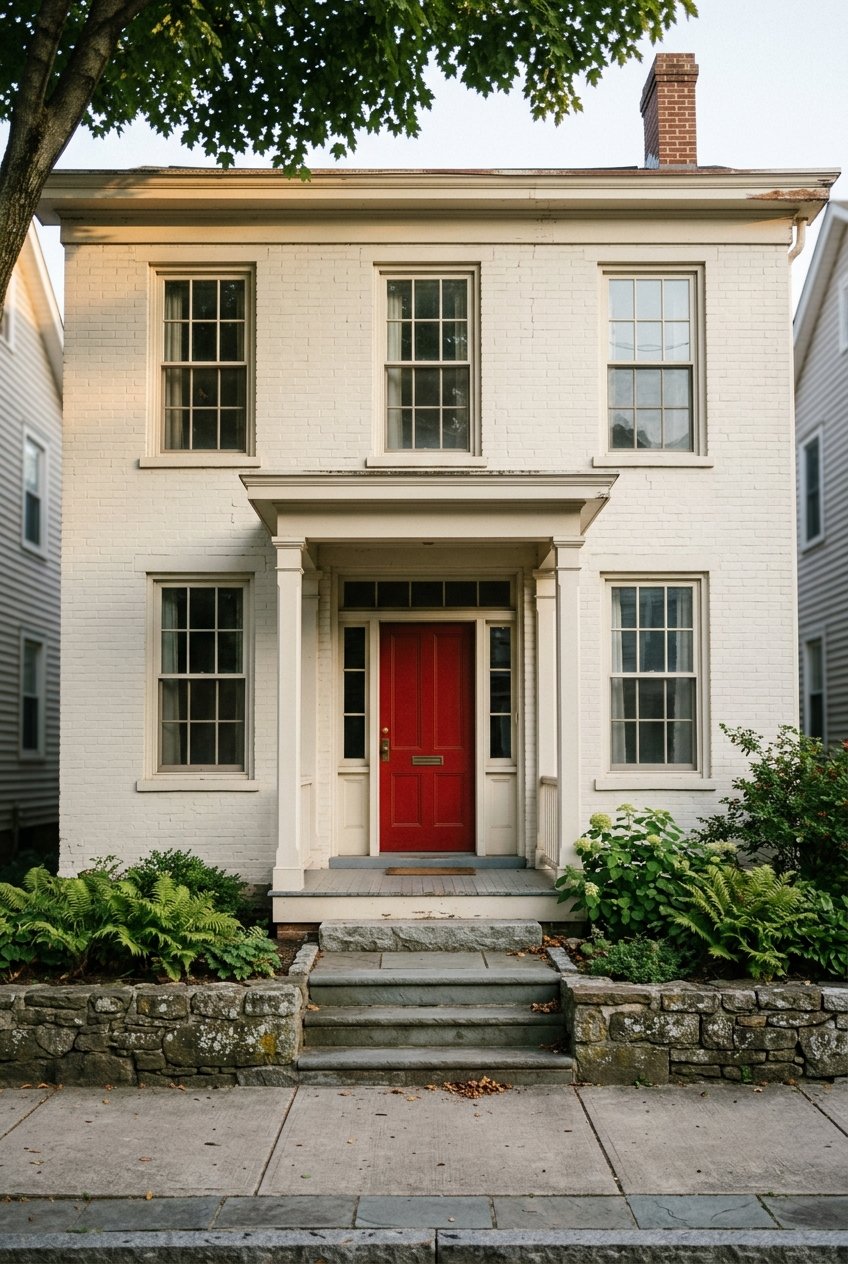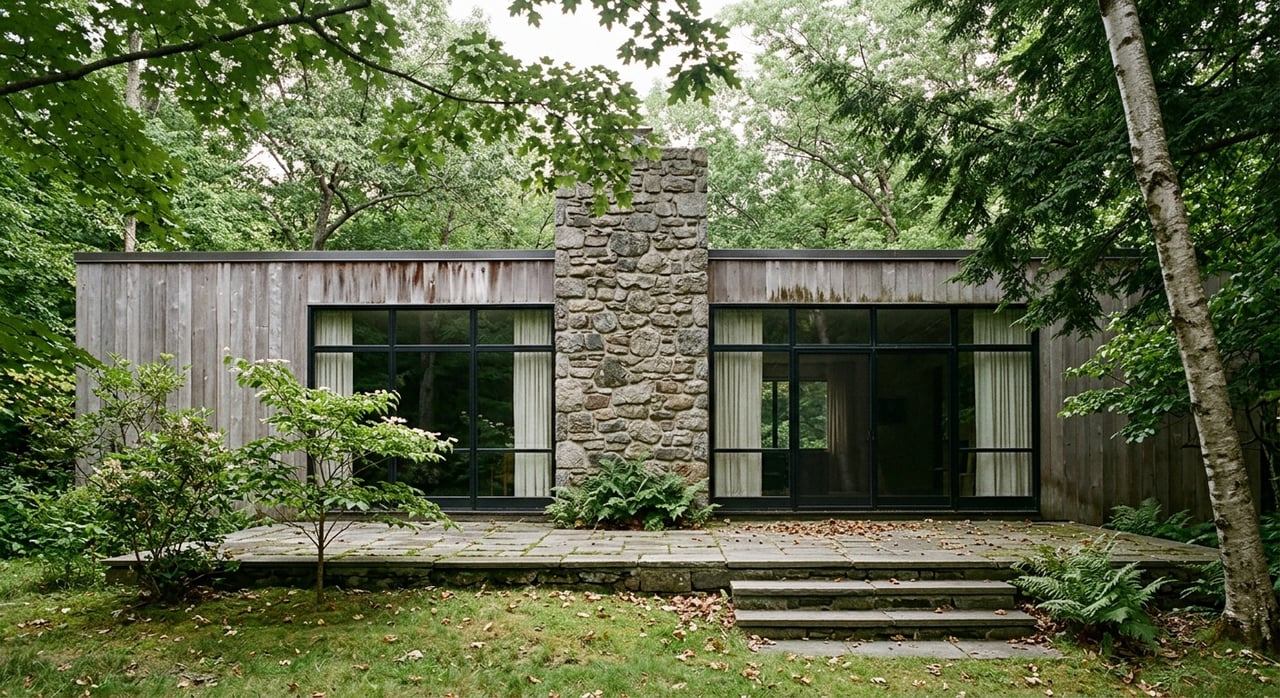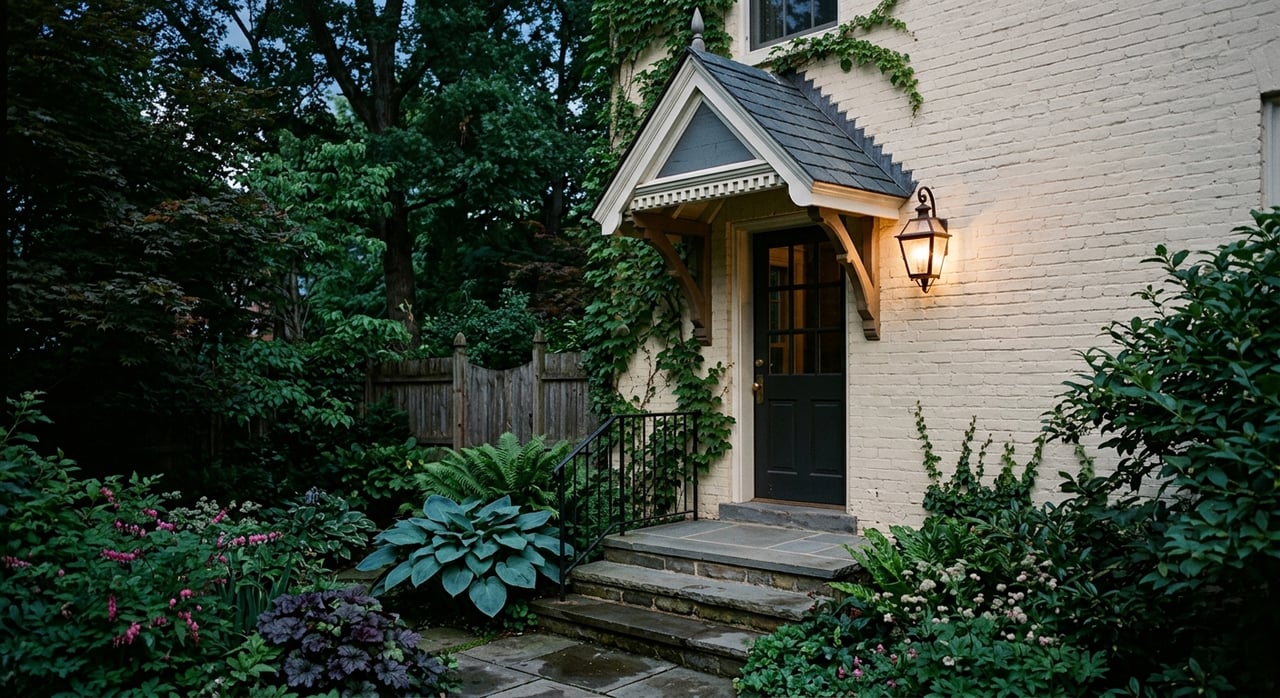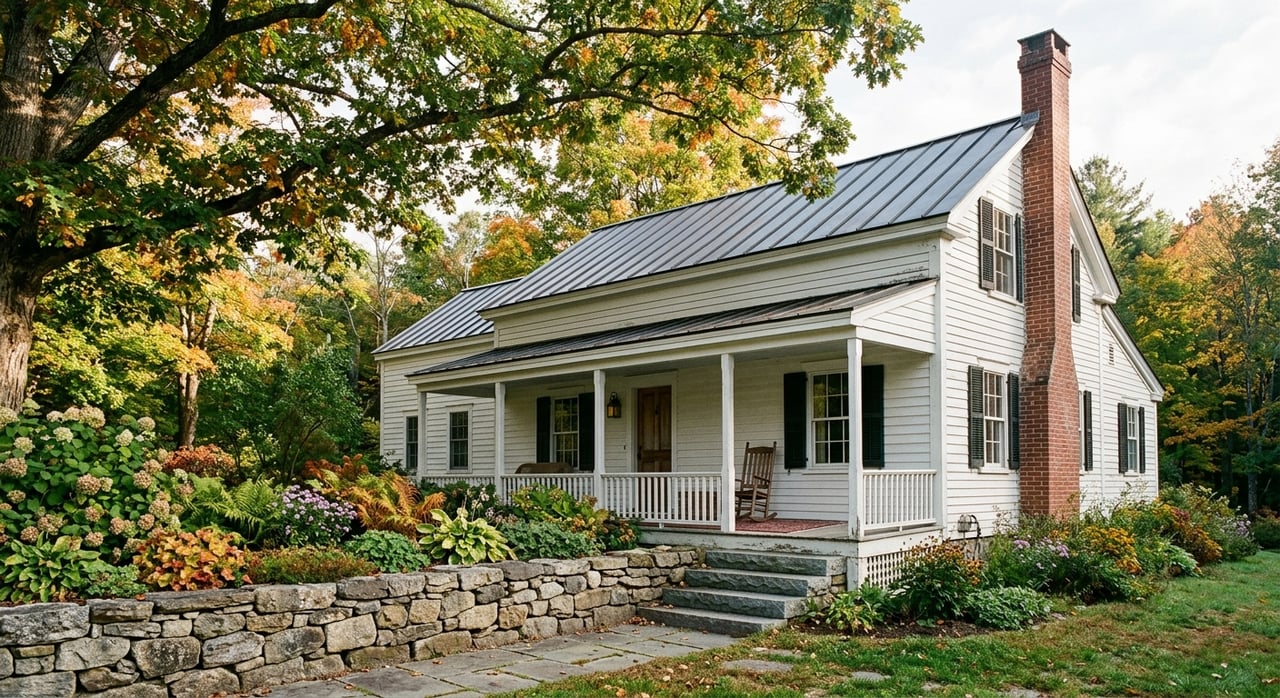
If you are choosing between Greene County and Ulster County for a country home, the decision often comes down to what you want your weekends, or your full-time life, to feel like. Some buyers picture a quieter mountain setting with a stronger retreat sensibility. Others want a country property that still keeps them closer to active town centers, cultural destinations, and a wider range of everyday services. This guide will help you compare the two with more clarity, so you can focus your search where it fits best. Let’s dive in.
Start With the Overall Feel
Greene County and Ulster County both offer access to the Catskills and the broader Hudson Valley lifestyle, but they read differently on the ground. Greene feels more mountain-forward and more closely tied to seasonal and recreational use. Ulster feels broader and more layered, with river towns, arts-oriented villages, mountain access, and larger year-round service centers.
That contrast matters when you are buying a country home. A house is never just the structure itself. It is also your drive in, your nearby town, your access to trails or dining, and how busy or quiet the area feels across the seasons.
Greene County: A Stronger Retreat Identity
Greene County sits just west of the Hudson River and has long been associated with the Catskills as a destination landscape. County and state materials emphasize Catskill Park access, Hunter Mountain, Windham Mountain, waterfalls, hiking, biking, boating, fishing, hunting, and winter recreation. That outdoor identity is not new. Greene’s history also reflects a long resort tradition, which still shapes how many buyers experience the area today.
For you as a buyer, that often translates into a stronger sense of escape. Many properties feel tied to mountain views, ski access, larger lots, and a rhythm that is distinctly rural or seasonal. If your goal is a true weekend retreat or a home that feels tucked away from busier town activity, Greene often delivers that mood more directly.
Ulster County: More Variety, More Activity
Ulster County offers a wider mix of settings. The Hudson River forms its eastern boundary, while the western side reaches into the Catskills. The county also includes the Shawangunks, major reservoirs and fly-fishing headwaters in the west, and a large amount of public recreation land.
The practical effect is variety. In Ulster, you can look at homes with easier access to riverfront areas, established towns, outdoor destinations, and a broader year-round local network. County materials also point to active planning around recreation pressure, parking, transportation, and housing needs, which suggests that some of the county’s most sought-after areas can feel busier and more managed than parts of Greene.
Compare the Landscape You Want
Greene County Landscape
If you want your home search to center on mountain character, Greene deserves a close look. The county’s identity is especially tied to the Catskills, with notable access to mountain recreation and a visible distinction between river towns and mountaintop communities. That can create a very particular kind of country-house appeal.
For some buyers, this is the dream. You may find yourself prioritizing privacy, skiing, woods, and a stronger sense of seasonal retreat over proximity to larger town centers.
Ulster County Landscape
Ulster is more varied in feel. You have river-oriented areas on one side, mountain terrain on another, and a broad recreation network that touches multiple landscapes rather than just one. Roughly one-third of the county is open to public outdoor recreation, which reinforces the county’s appeal for buyers who want many ways to use the region year-round.
If you want a country home that balances nature with regular access to destinations and activities, Ulster may feel more flexible. It often suits buyers who want outdoor life without giving up a broader town-and-culture circuit.
Housing Stock Differs in Useful Ways
What to Expect in Greene County
Greene County remains notably owner-occupied, with Census QuickFacts showing a 77.2% owner-occupied housing unit rate. Planning materials also point to a strong single-family pattern across mountaintop towns, valley towns, and river towns, though river communities include somewhat more multi-family and mobile-home stock. Seasonal and recreational vacancy is also a meaningful part of the county’s housing picture.
That profile helps explain why Greene can feel so oriented toward detached homes and second-home use. If you are looking for a classic single-family country property, especially one with a retreat sensibility, Greene’s housing pattern may align naturally with your search.
What to Expect in Ulster County
Ulster is the larger and more mixed housing market. Census QuickFacts report 87,166 housing units, a 69.9% owner-occupied rate, a median owner-occupied value of $352,500, and a median gross rent of $1,425. County planning materials also note that vacancy includes seasonal and recreational use, while more than one quarter of the population lives in rental housing.
This matters because Ulster supports more housing variety. The county is also actively supporting accessory dwelling units and rental upgrades, which signals a market that is trying to broaden housing options rather than stay centered on detached houses alone.
Town Access Can Change Daily Life
Greene County Town Pattern
Greene’s community pattern is more dispersed. The county seat is Catskill, and county planning materials emphasize both river towns such as Catskill and Athens and mountain centers such as Hunter and Windham. Greene also has four riverbank communities, which is useful if you want Hudson River proximity without being in a denser setting.
For you, that can mean a more bifurcated choice. You may be deciding between a mountain-centered property and a river-oriented one, with fewer in-between options than you would typically see in Ulster.
Ulster County Town Network
Ulster has a denser and more widely recognized set of town centers. The county’s municipalities include Kingston, New Paltz, Woodstock, Saugerties, Rosendale, and Ellenville. Recreation and county destination materials also point to a long list of high-traffic places, from Kingston Point Beach to Minnewaska State Park Preserve and Mohonk Preserve.
That wider network can be a major advantage if you want options. It gives you more ways to combine country living with dining, arts, recreation, and errands across multiple hubs instead of relying on one primary town.
Price and Competition: Greene Is Softer, Ulster Is Tighter
Current market data suggest that Ulster is somewhat more expensive and somewhat faster, while Greene appears softer and more negotiable.
In March 2026, Redfin reported Greene County’s median sale price at $425,000, with homes averaging 101 days on market, a 95.1% sale-to-list ratio, and 17.0% of homes selling above list price. Realtor.com also labeled Greene a buyer’s market and reported homes selling for 4.25% below asking on average.
For Ulster County, Redfin reported a March 2026 median sale price of $443,000, with homes averaging 86 days on market and a 96.6% sale-to-list ratio. OneKey MLS reported a Q1 2026 single-family median sales price of $465,000, 3.6 months of supply, 77 days on market, and 94.9% of original list price received. Realtor.com reported a median listing price of $549,000 and homes selling for 3.3% below asking on average.
The broad takeaway is useful. Ulster is a bit pricier and moves a bit faster. Greene may offer more room to negotiate, but monthly pricing can shift more noticeably because the county has a smaller volume of sales.
A Practical Way to Choose
If you are deciding between the two counties, it helps to filter your search through a few everyday priorities.
Choose Greene If You Want:
- A stronger mountain identity
- Better alignment with ski and winter recreation
- Larger-lot retreat potential
- A market that currently appears slower and more negotiable
- A home that feels more clearly separate from busier town activity
Choose Ulster If You Want:
- Easier access to established town centers
- A broader mix of arts, dining, and recreation hubs
- More housing variety across the county
- A somewhat larger and tighter buyer market
- More explicit pathways for future flexibility, including ADU-related planning support
Think Beyond the First Purchase
For many country-home buyers, the biggest question is not just where you want to live now. It is how the property may serve you over time. You may want guest space, room for extended family, or future flexibility in how you use the home.
Ulster stands out here because the county is more explicit about ADU pathways and adaptive reuse. Greene’s planning framework, by contrast, places more emphasis on balancing housing across river, valley, and mountaintop areas, which may appeal more if you want a traditional rural property and are less focused on in-town services or future use changes.
That does not make one county better. It simply means the right answer depends on how you define country living. Some buyers want the quiet clarity of a mountain retreat. Others want a home with a little more connection to town life and long-term flexibility.
At Annabel Taylor, we often find that the best country-home decision starts with setting, rhythm, and use before it starts with square footage. If you are weighing Greene County against Ulster County, a focused search can quickly reveal which landscape, market pace, and town network fit your life more naturally. When you are ready to explore the right fit, Annabel Taylor can help you approach the search with local perspective and a clear eye for place.
FAQs
How does Greene County feel different from Ulster County for country-home buyers?
- Greene County generally feels more mountain-forward and retreat-oriented, while Ulster County offers a broader mix of river towns, arts-oriented communities, and year-round service centers.
Is Greene County or Ulster County more expensive in 2026?
- Based on March 2026 market data in the research report, Ulster County was slightly more expensive, with a higher median sale price than Greene County.
Which county may offer more negotiation room for a country home?
- Greene County appears more negotiable based on longer average days on market, a lower sale-to-list ratio, and reporting that homes sold below asking on average.
Does Ulster County offer more town and cultural access than Greene County?
- Yes. The research report shows that Ulster has a denser network of municipalities and destination areas, including Kingston, New Paltz, Woodstock, Saugerties, Rosendale, and Ellenville.
Is Greene County better for a mountain retreat property?
- For buyers who want a stronger Catskills identity, ski access, and a more retreat-oriented setting, Greene County may be the better fit.
Why might a buyer choose Ulster County for long-term flexibility?
- Ulster County is more explicit about supporting ADUs and broader housing options, which may matter if you want guest space, multigenerational use, or future property-use flexibility.