What makes a home in Hudson feel restorative instead of simply styled? In a place where historic streetscapes, waterfront character, and country quiet all shape daily life, the answer is usually less about trends and more about thoughtful choices. If you are imagining a house that feels calm, welcoming, and easy to live in, this guide will help you think through layout, landscape, and preservation with the local context in mind. Let’s dive in.
Why retreat living fits Hudson
Hudson already offers the raw ingredients of a retreat. Columbia County includes more than 50 public heritage sites, and Hudson brings together historically designated housing, a working historic waterfront, and shops and restaurants in revitalized historic structures. That mix gives the area a sense of texture and continuity that supports a quieter, more intentional way of living.
For many buyers, a retreat here is not about isolation. It is about having a home that feels composed and grounded, whether you are using it full time, as a weekend base, or as a place to host guests. In Hudson, the strongest versions of that idea tend to respect the house, the landscape, and the rhythms of the neighborhood.
Regional tourism also shapes how some owners think about their homes. In 2024, Hudson Valley visitor spending reached $5.45 billion, with Columbia County accounting for $253.3 million, including $55.1 million in lodging spending. If you are weighing occasional guest use or a part-time rental concept, that activity shows overnight stays are a meaningful part of the local economy.
Start with calm, usable space
A thoughtful retreat begins with how the home works day to day. You want rooms that feel intuitive, comfortable, and easy to maintain, especially during wet weather, busy weekends, or guest turnover. In many Hudson homes, that means looking closely at circulation rather than chasing more square footage.
Simple moves often have the biggest impact. A defined entry, a place to put coats and boots, and a clear line between active and quiet spaces can make an older house feel more settled. The goal is not to erase character but to let the home function with less friction.
If you are planning for visitors, privacy matters too. Guests should be able to settle in without feeling like they are moving through your daily routine, and you should be able to maintain the house without every task becoming visible. That kind of separation creates a more relaxed experience for everyone.
Design guest space to feel self-contained
In Hudson, this is not just a comfort issue. The city’s current short-term rental code defines a short-term rental unit as one with its own access and egress that is separately offered to the public. That makes the idea of a self-contained guest area especially relevant if you are considering a second-use function.
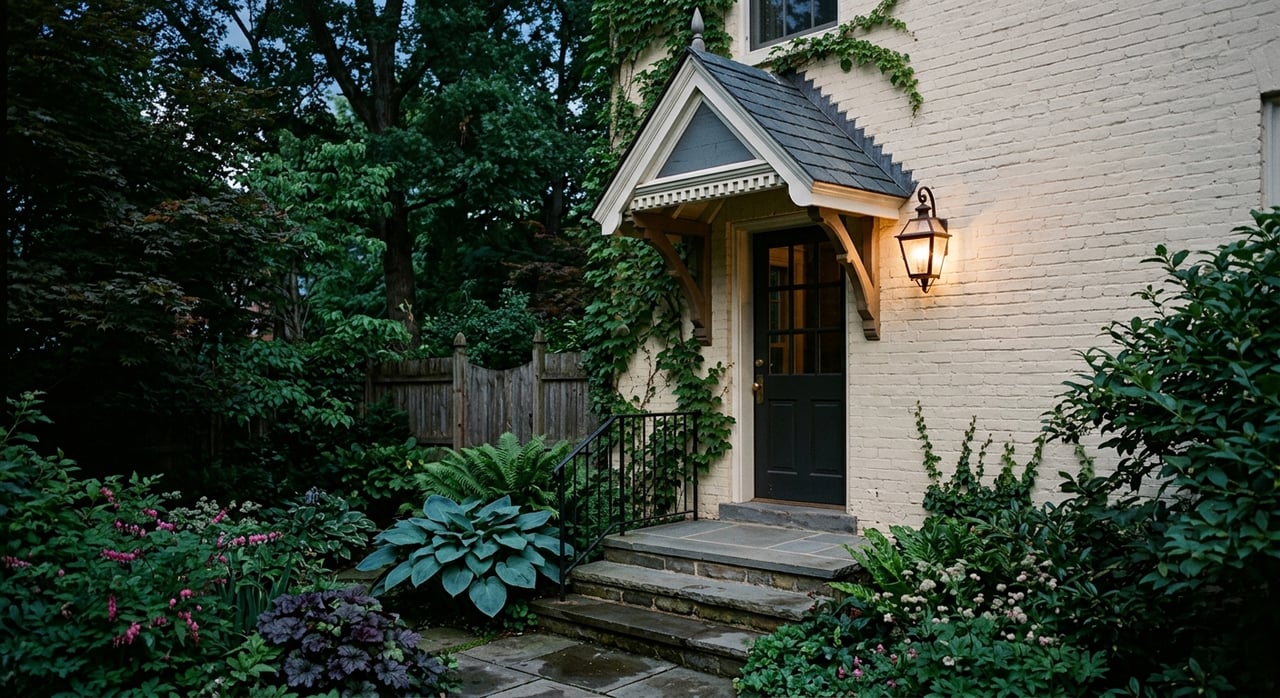
From a design perspective, the strongest guest spaces tend to have a clear threshold. A side entrance, garden entry, or small landing can give guests a sense of arrival without changing the overall character of the house. That simple moment of separation often makes the space feel more resolved.
Inside, think in practical layers. A dedicated bath, useful storage, and routes for linens or trash that do not cross the guest arrival path can help the home feel orderly. These are quiet choices, but they support the calm, discreet feeling most owners want.
Guest features that work well
- A separate side or rear entrance
- A small mudroom or arrival area
- A dedicated bathroom for the guest zone
- Simple storage for luggage, coats, and extra linens
- Clear wayfinding from parking to entry
- Sound separation between guest and primary living areas
That does not mean the house should feel commercial. In Hudson, the better approach is usually to create independence without losing warmth. Guests should know where to arrive, where to park, and how to move through the space, while the home still reads as a home first.
Choose durable, easy-reset materials
A retreat should not feel precious. In the Hudson Valley, weather, mud, leaves, snow, and everyday use all argue for materials that wear well and are easy to clean. This matters even more if the home hosts friends often or supports occasional guest stays.
The research for this topic points more directly to site planning than interior finishes, but the logic carries inside. Durable surfaces, washable textiles, and furnishings that can handle frequent resetting tend to make the house feel both more relaxed and more practical. You want beauty that holds up under real life.
This often means resisting overly fussy finishes. Natural wood, painted millwork, stone, brick, and other straightforward materials can support the age and character of a Hudson home while still being highly usable. The best rooms feel edited, not fragile.
Let the landscape do more
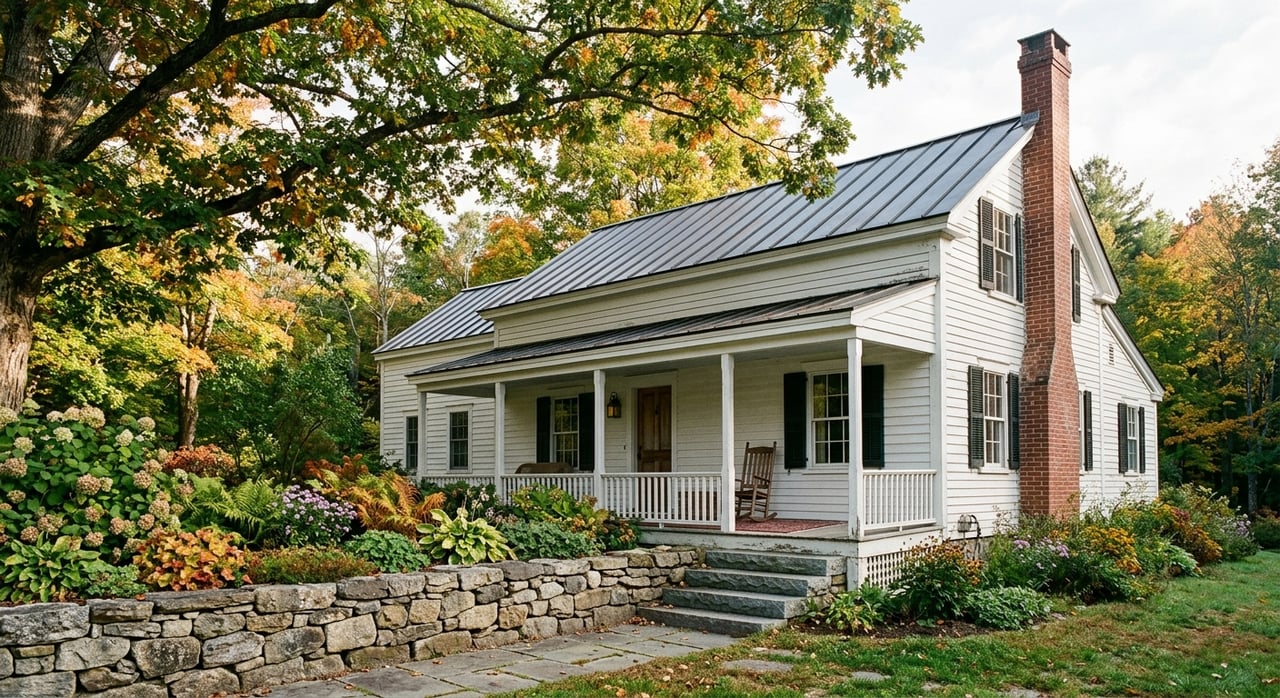
Outside, a thoughtful retreat often depends on doing less, better. New York State DEC recommends native plants because they are adapted to local climate and soil and often need less irrigation, fertilizer, pesticide, and pruning once established. That guidance supports a landscape approach that feels fitting for Hudson and easier to maintain over time.
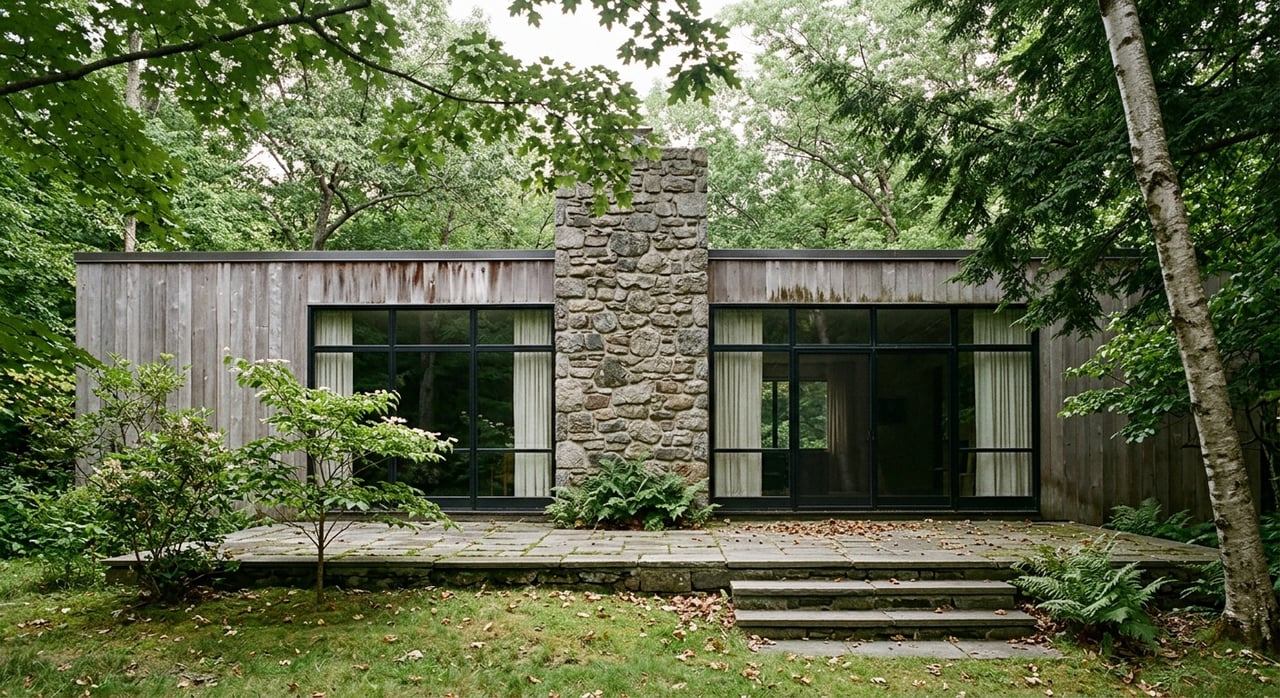
Instead of relying on broad lawns, consider mixed native screening, preserved natural edges, and layered planting. These choices can create privacy, soften views, and make the property feel more rooted in its setting. They also support better rain and snow infiltration and can help reduce erosion and siltation.
If your property is near the river, shoreline decisions deserve even more care. Healthy shore zones provide habitat, absorb wave energy, improve water quality, and act as important buffers. In those cases, grading and planting near the water should be approached with restraint and a strong understanding of site conditions.
Landscape priorities for a Hudson retreat
- Favor native plantings suited to local conditions
- Reduce high-maintenance turf where possible
- Preserve natural edges and mature planting patterns
- Use screening to create privacy without overbuilding
- Plan drainage and soil health from the start
- Treat river-adjacent areas as sensitive landscape zones
Cornell Cooperative Extension of Columbia and Greene Counties points homeowners to the USDA Plant Hardiness Zone Map and USDA Web Soil Survey for plant and soil planning. In practice, that means site-specific plant selection and soil testing can make a real difference before you invest in new beds, trees, or screening.
Respect historic character early
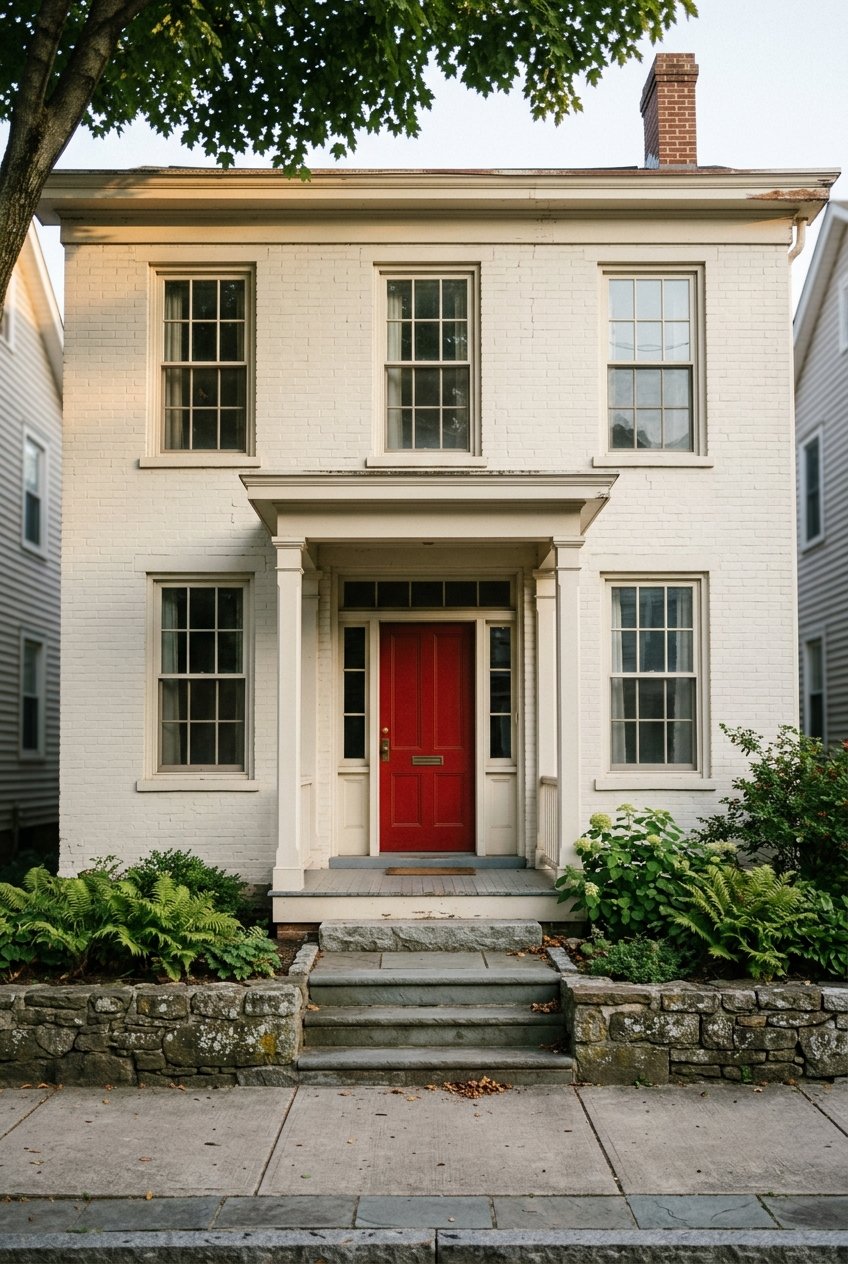
Many of Hudson’s most compelling homes draw their appeal from proportion, materials, and visible age. If you want your home to feel like a retreat, protecting those qualities is usually more effective than trying to reinvent them. Calm often comes from coherence.
That is especially important if the property is in Hudson’s historic district. A certificate of appropriateness is required for exterior alterations, additions, restoration, reconstruction, demolition, new construction, or material changes to the appearance or windows. Review criteria consider design, scale, materials, color, window proportion, roof shape, and setback.
In practical terms, visible changes like a new entry, porch, fence, or window plan should be treated as preservation questions from the beginning. The earlier you think about those constraints, the easier it is to arrive at a result that feels natural to the house. A preservation-minded team can help you balance comfort, function, and local review requirements.
Make safety and wayfinding feel seamless
A retreat should feel easy to understand. That applies to daily living, but it also matters for guest safety and clear circulation. In Hudson, the city’s short-term rental code requires code-compliant fire protection for units above the second floor and requires each sleeping room to display emergency egress information on the inside of the room door.
Even if you are only thinking conceptually, those standards are a useful design reminder. Guest-facing spaces should be legible, not confusing. Entries, exits, stairs, and sleeping areas all benefit from a layout that is clear at a glance.
This is one reason simple planning tends to age well. When people can understand a space immediately, it feels calmer and more welcoming. Good wayfinding is not flashy, but it is one of the foundations of a successful retreat.
Think of the home as a whole story
The most memorable Hudson homes are rarely defined by one feature alone. They work because the architecture, guest experience, landscape, and setting all support the same mood. A side garden entry, a well-placed guest suite, durable finishes, and native screening can each do their part, but the real effect comes from how they work together.
That larger view matters whether you are buying, restoring, or preparing to sell. In a market like Hudson, design-minded buyers often respond to homes that feel intentional and locally grounded. A house with a clear point of view tends to photograph better, live better, and tell a stronger story.
Before adding a guest suite or second-use function, it is wise to confirm zoning, building, and historic review requirements with local professionals. That early clarity can save time and help shape a plan that fits both the property and the city.
If you are thinking about how to shape, position, or present a Hudson Valley home with more care, Annabel Taylor brings a design-led, locally grounded approach to the process. Let’s tell your home’s story.
FAQs
What makes a Hudson home feel like a retreat?
- A Hudson retreat usually feels calm, self-contained, and connected to its setting through practical layout choices, durable materials, and landscape decisions that suit the property.
What should homeowners in Hudson know about guest space design?
- In Hudson, guest space often works best when it has clear access, privacy, and simple circulation, especially because the city’s short-term rental code distinguishes units with their own access and egress.
What landscape approach works best for a Hudson Valley retreat?
- Native planting, reduced lawn areas, preserved natural edges, and site-specific soil and drainage planning are strong choices for a lower-maintenance and more landscape-aware property.
What should owners in Hudson’s historic district consider before exterior changes?
- If your property is in Hudson’s historic district, exterior work such as additions, window changes, fences, or visible material changes may require a certificate of appropriateness and should be planned early.
Can a Hudson home be both a retreat and an occasional rental?
- In some cases, yes, but the design should support privacy, wayfinding, and compliance, and you should confirm local zoning, building, and historic review requirements before making changes.
Why do design-minded buyers respond to thoughtful Hudson homes?
- Buyers are often drawn to homes that feel coherent, locally grounded, and easy to live in, especially when architecture, landscape, and presentation support a clear story.