You do not have to choose between cultural access and breathing room. For many New York City buyers, Dutchess County offers a different kind of upgrade: more space, more landscape, and a wider range of daily rhythms without giving up rail access, walkable centers, or a sense of place. If you are weighing the move from a city loft to country living, this guide will help you think through where to look, how to compare lifestyles, and what practical details matter most. Let’s dive in.
Why Dutchess County Appeals
Dutchess County is not one single lifestyle. It is a 30-municipality county in southeastern New York, with two cities, 20 towns, and eight villages, and residents are clustered most heavily along the Hudson River and the Route 9, 44, and 55 corridors, according to the Dutchess County planning report. That variety gives you real choice between village life, rail-centered living, and more rural acreage.
For many city buyers, the numbers help explain the appeal. The U.S. Census QuickFacts for Dutchess County show a median owner-occupied home value of $400,600, compared with $777,600 in New York City. In practical terms, that often means you can trade vertical space for outdoor space, privacy, or architectural character while staying within reach of the city.
Dutchess is also large enough that your experience can look very different from one municipality to the next. You may want a compact Main Street and quick train access, or you may want a long driveway, garden space, and a slower pace that feels fully rooted in the countryside. The right move starts with matching the house to the life you actually want to live.
Choose Your Daily Rhythm
Village-centered living
If you want a move that still feels connected to shops, dining, and street life, a walkable center may be the easiest transition from city living. Beacon is one of the clearest examples, with a walkable Main Street and a strong cluster of arts, retail, and dining. Census data places the city’s median owner-occupied home value at $471,600, which gives useful price context for buyers comparing in-town options.
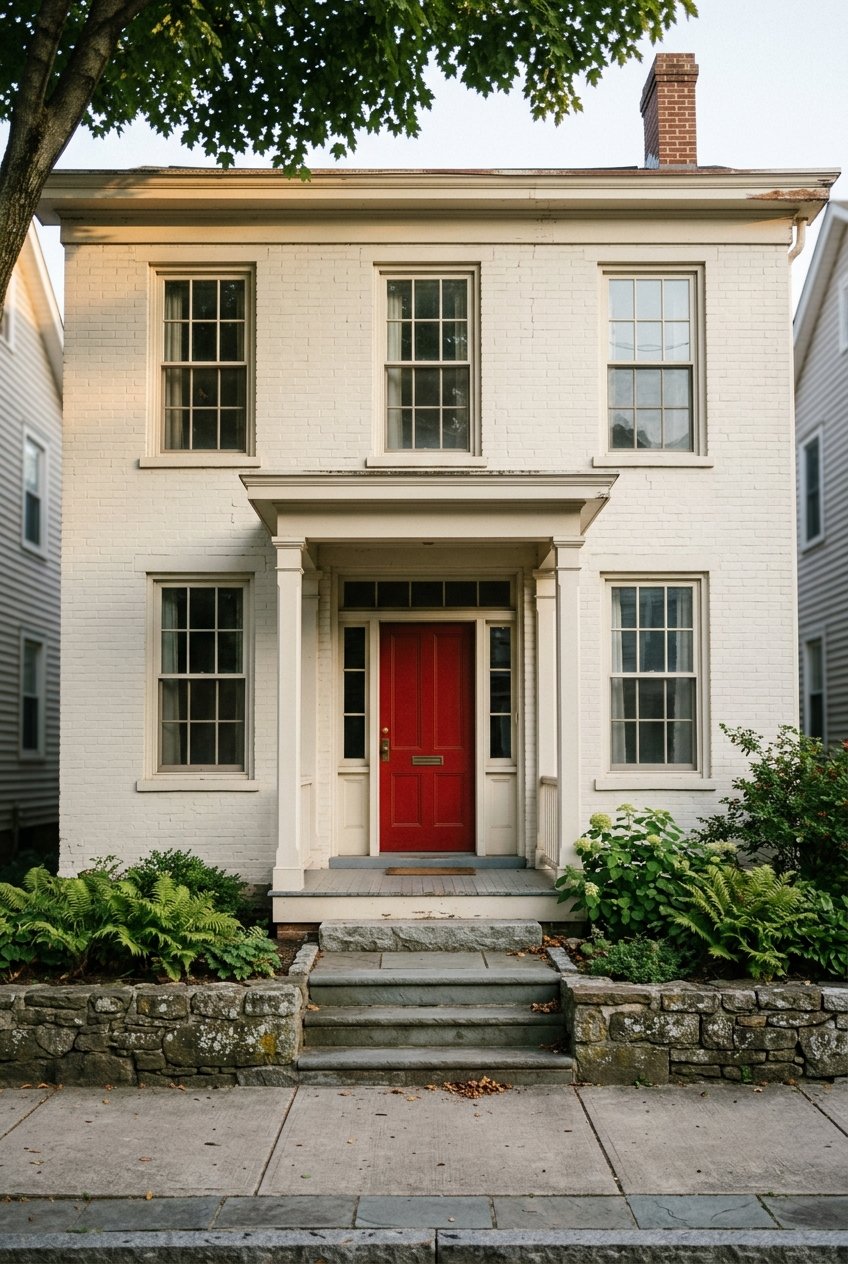
Rhinebeck offers another village-oriented model, with walkable blocks lined with shops and restaurants. Census reports a median owner-occupied value of $521,800 for the town. If you are drawn to historic character, an active village center, and a polished small-town rhythm, Rhinebeck often enters the conversation early.
Red Hook can be a compelling middle ground. Its village center is described as walkable and Main Street-oriented, while the broader town retains a more rural identity. Census places the town’s median owner-occupied value at $430,000, which may appeal if you want a blend of village access and a little more breathing room.
Rail-centered living
For buyers who still need regular access to Manhattan, transportation can shape the map just as much as architecture or acreage. The MTA Hudson Line schedule confirms that Beacon and Poughkeepsie are served by Metro-North, and that five super-express trains between Grand Central and Poughkeepsie now run in under 90 minutes. That makes parts of western Dutchess a realistic full-time base for some buyers who commute only a few days a week.
If intercity rail matters more than a daily commuter pattern, Amtrak’s Empire Service timetable includes Rhinecliff and Poughkeepsie. This can broaden your search beyond the immediate Metro-North corridor and open up a more design-led or rural property search while keeping city access in play.
Poughkeepsie is often worth a close look if convenience is high on your list. The Census QuickFacts for Poughkeepsie city show a median owner-occupied value of $283,700 in the city and $354,900 in the town, making it a useful comparison point for buyers who want more space while staying close to services and rail.
Acreage-centered living
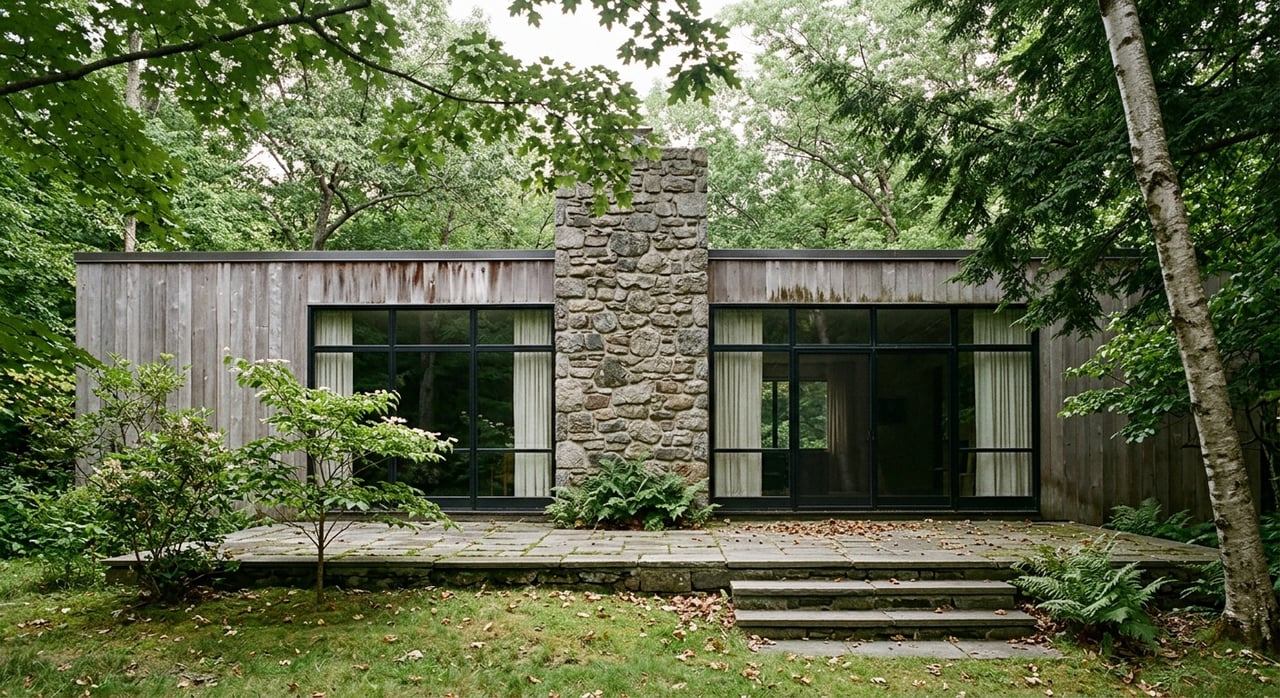
If your dream is less about the train and more about gardens, quiet, and land, Dutchess County can support that too. County resources and the agricultural directory make clear that farmland, rural land use, and stewardship remain part of the housing landscape. In these settings, the ownership experience often includes more systems, more land, and more responsibility.
Millerton is a helpful example on the rural side of the spectrum. Dutchess Tourism places it in the county’s northeastern corner and highlights its historic Main Street district, the Harlem Valley Rail Trail, and access to Connecticut and the Berkshires. It shows how rural living in Dutchess can still include a small central hub, even when the surrounding landscape feels distinctly more open.
For many buyers, this is where the move becomes most rewarding and most different from city ownership. More land can mean more privacy and a richer connection to the setting, but it also means more due diligence before you buy and more active stewardship after you move in.
Compare Space With Practicality
A larger house or more beautiful setting does not automatically mean a simpler ownership experience. In Dutchess County, the smartest buyers compare not just price and square footage, but the full shape of daily life.
Ask yourself:
- How often will you realistically go into the city?
- Do you want to walk to coffee, shops, or the train?
- Are you comfortable managing private well and septic systems?
- Do you want land for gardening, entertaining, or outbuildings?
- Would you rather maintain less and be closer to services?
This kind of clarity matters because the county is municipal, varied, and active enough that prepared buyers tend to move more confidently. According to Redfin’s March 2026 Dutchess County market data, the median sale price was $485,000, with homes spending a median of 65 days on market and 167 homes sold that month. That pace suggests you likely have time to think, but not endless time to drift.
Know the Due Diligence
Zoning is local
One of the biggest mistakes city buyers make is assuming that a town name tells them everything they need to know. In Dutchess County, zoning is municipal rather than countywide, and villages use towns’ assessment rolls for village taxes. The county zoning portal shows separate zoning maps for each municipality, which is a useful reminder that due diligence should always be parcel-specific.
That matters even more if you are considering an accessory structure, future renovation, land use questions, or a home on the edge of a village or rural district. A beautiful property can still require careful review of local rules, assessments, and exemptions before you move forward.
Wells and septic need attention
For rural buyers, the biggest adjustment is often not scenery but systems. The Dutchess County Department of Behavioral & Community Health notes that county public health engineers review well locations and septic systems, and that monitoring a private well is the homeowner’s responsibility. The New York State Department of Health guidance cited there recommends annual bacteria testing and testing for other contaminants every three to five years.
This does not mean rural ownership is risky by default. It means you should go in with open eyes, good inspections, and a realistic understanding of maintenance. The same county page also notes a septic replacement fund in qualifying locations that can cover up to 50% of eligible costs, capped at $10,000, which is useful context if you are evaluating long-term ownership costs.
Build a Smart Timeline
A move from a city loft to Dutchess County usually works best when you plan it on two tracks at once. First, define your non-negotiables around commute, walkability, land, and maintenance. Second, line up financing and sale preparation before you start touring too seriously.
The county’s municipal variety makes this especially important. You are not just choosing a house. You are choosing a municipality, a transportation pattern, and in some cases a very different ownership model from what you may be used to in the city.
6 to 12 months out
Use this stage to decide what kind of life you want your next home to support. The Dutchess County municipalities guide is a helpful reference because it reinforces how many distinct towns, villages, and cities you are actually comparing.
Focus on a few core questions:
- Village-centered, rail-centered, or acreage-centered?
- Full-time move, part-time retreat, or hybrid?
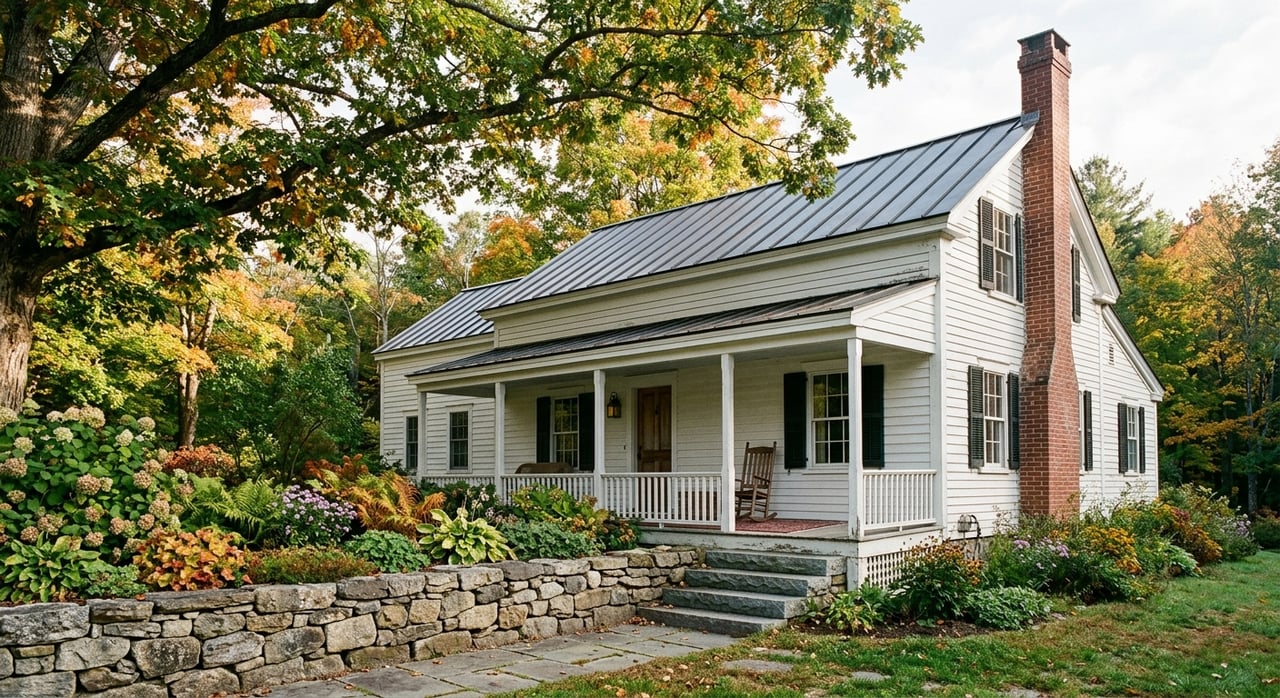
- Historic in-town house, rural farmhouse, or something in between?
3 to 6 months out
Start touring examples in each category rather than limiting yourself too quickly. A buyer who thinks they want only a village house may find that a nearby rural property with good access feels more balanced. A buyer focused on acreage may discover they want a stronger town center nearby than expected.
This is also the time to test assumptions against real schedules. Check actual Metro-North Hudson Line service or Amtrak Empire Service timing instead of relying on estimates from memory.
30 to 60 days out
Coordinate your sale launch, offer timing, and closing overlap carefully. If you are selling a city property and buying in Dutchess at the same time, the goal is to avoid a gap that creates rushed decisions, temporary housing pressure, or unrealistic deadlines.
For sellers, this is also where preparation matters most. Decluttering, documenting upgrades, and choosing a realistic list date can create much better flexibility when your move depends on two transactions lining up cleanly.
What a Good Move Looks Like
The most successful city-to-county moves are rarely about chasing square footage alone. They work because the buyer understands the rhythm they want, the tradeoffs they can live with, and the practical obligations that come with the property they choose. Dutchess County rewards that kind of clarity.
If you are considering the move, it helps to work with someone who understands both the emotional side of a lifestyle transition and the local detail behind it. From village houses with architectural character to rural properties that ask for deeper stewardship, the right guidance can make the process feel calm, informed, and beautifully aligned with how you want to live next. When you are ready, Annabel Taylor brings a thoughtful, design-led approach to buying and selling in the Hudson Valley.
FAQs
What kinds of lifestyles can you find in Dutchess County?
- Dutchess County offers a mix of village-centered, rail-centered, and acreage-centered living, with settings that range from walkable centers like Beacon and Rhinebeck to more rural areas such as Millerton and the county’s broader agricultural landscape.
Which Dutchess County towns are useful for a city-to-country transition?
- Beacon, Rhinebeck, Red Hook, Poughkeepsie, and Millerton are all useful starting points because they illustrate different combinations of walkability, rail access, pricing, and rural character.
How easy is the commute from Dutchess County to New York City?
- Beacon and Poughkeepsie are on Metro-North’s Hudson Line, and some super-express trains from Poughkeepsie to Grand Central run in under 90 minutes, while Rhinecliff and Poughkeepsie also have Amtrak service.
What should buyers know about rural properties in Dutchess County?
- Buyers should pay close attention to private well testing, septic systems, and parcel-specific zoning because rural ownership often involves more maintenance and more local due diligence than city ownership.
How competitive is the Dutchess County housing market?
- In March 2026, homes in Dutchess County sold at a median price of $485,000, spent a median of 65 days on market, and 167 homes sold that month, which points to an active market where preparation still matters.
Why is parcel-specific research important in Dutchess County?
- Because zoning and assessments are handled at the municipal level rather than countywide, a property’s exact location and local rules matter more than broad assumptions based on a town name alone.