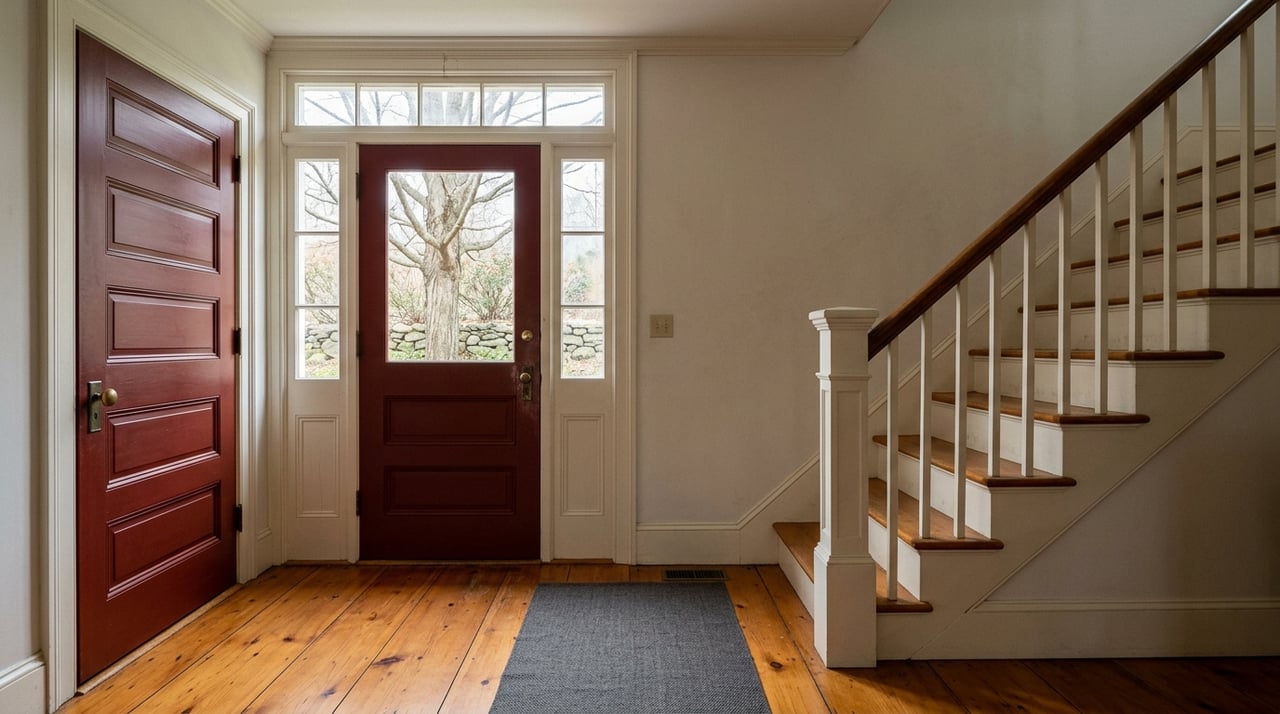
If you own a historic home in Hudson or the surrounding 12534 area, getting it ready for market is not the same as preparing a newer property. The details that make an older house special can also raise questions about approvals, repairs, and disclosure. With the right plan, you can protect the home’s character, avoid missteps, and present it in a way that resonates with today’s buyers. Let’s dive in.
Start With Historic Status
Before you paint trim, swap windows, or adjust the front entry, confirm exactly what kind of property you have. In the Hudson Valley, that matters because a large share of the housing stock was built before 1970, and many homes come with the typical realities of age, from older materials to aging systems and higher energy costs, as noted by Pattern for Progress.
In Hudson, if your property is a designated landmark or sits within the local historic district, exterior work may require a certificate of appropriateness under the city code. That review can apply to exterior alterations, additions, reconstruction, demolition, moving a structure, and changes to materials such as windows. Ordinary maintenance that does not change design, material, color, or outward appearance is generally allowed.
It is also helpful to separate local rules from federal designation. According to the National Park Service FAQ on National Register listing, listing alone does not restrict what a private owner may do under federal law, though state or local rules may still apply. If you are considering improvements before listing, this distinction can save time and help you focus on what actually needs approval.
Repair Before You Replace
One of the biggest mistakes sellers make with older homes is replacing historic features too quickly. For many period properties, original materials are part of the value story, especially for design-minded buyers who are drawn to authenticity.
The National Park Service guidance on historic windows recommends repair and retention first. In many cases, sash repair, glazing, weatherstripping, and storm windows can improve function without losing the original fabric that gives the house its character.
Replacement is typically the last step, not the first. When deterioration is severe enough that repair is no longer reasonable, the replacement should match the original in design and visual qualities. The NPS documentation guidance also notes that clear photos and drawings should document existing conditions and the proposed new work.
If your home may qualify for New York’s homeowner rehabilitation tax credit, material choices matter even more. The same NPS guidance explains that replacing repairable historic material is not recommended, and vinyl or vinyl-clad windows are generally not acceptable under that program.
Handle Lead-Safe Work Early
If your house was built before 1978, lead-based paint should be part of your pre-listing checklist. Even small renovation, repair, or painting projects can create dangerous lead dust.
The EPA’s lead renovation, repair, and painting program says work that disturbs lead-based paint must be done by lead-safe certified contractors. For sellers, the EPA also requires lead-related disclosures, including providing the lead pamphlet, disclosing known information and records, including a warning statement in the contract, and giving buyers a 10-day opportunity to test.
This is not the glamorous part of preparing a historic home, but it is one of the most important. A clean disclosure process helps reduce surprises and supports buyer confidence.
Focus Updates on Compatibility
Historic homes usually benefit from selective improvements, not wholesale reinvention. In Hudson, local compatibility standards consider design, scale, texture, materials, color, facade proportions, window arrangement, roof shape, setback, and significant historic features under the city’s preservation code.
In practical terms, that means the safest updates are often the ones that feel quiet and respectful. Think repaired woodwork instead of wholesale replacement, historically compatible paint choices, and exterior fixes that preserve the rhythm and proportions of the original facade.
If you are considering a larger project before listing, the National Park Service treatment guidelines say additions should preserve the building’s historic character, remain compatible in massing, size, scale, and design, and still read as distinct from the original structure. Additions that copy the old building exactly, or clash with it dramatically, are generally not considered compatible.
Simplify the Interior
For many sellers, the good news is that interior changes are generally outside Hudson’s local review unless the interior is specifically landmarked, based on the scope of the local preservation code. That gives you more flexibility to prepare the home for photography and showings.
Inside, your goal is to let the architecture breathe. Decluttering, simplifying furnishings, and choosing restrained paint colors can help original trim, staircases, fireplaces, floors, and millwork stand out.
Historic houses often have strong visual character already. Rather than compete with that character, staging should help buyers understand how the rooms function for modern living while keeping the original details in clear view.
Stage for Online Impact
Most buyers begin online, and visuals carry enormous weight. The 2025 NAR generational trends report found that among internet-using buyers, photos were the most useful website feature at 83%, followed by detailed property information at 79%.
That matters even more with a historic property. Buyers are not only looking for bedroom counts and square footage. They are also responding to mood, craftsmanship, and the feeling of a home that has been carefully kept.
According to the National Association of Realtors consumer guide to marketing your home, effective marketing often includes staging, professional photography, social media, signage, open houses, and competitive pricing. It also highlights the value of cleaning and decluttering, which can make a major difference before a listing goes live.
The 2025 NAR staging report found that 83% of buyers’ agents said staging made it easier for buyers to envision the property as their future home. It also reported that 29% of agents saw a 1% to 10% increase in dollar value offered for staged homes, with the living room, primary bedroom, and kitchen ranked as the most important rooms to stage.
Tell the Home’s Story
With a historic property, presentation is not just visual. It is narrative. Buyers want to understand what has been preserved, what has been improved, and how the home lives today.
That means your listing materials should highlight the period details that remain, explain repairs or restoration work clearly, and show how the house supports modern use. A well-prepared marketing story can connect provenance and practicality, which is often exactly what draws design-minded Hudson Valley buyers.
For architecturally significant homes, this is where thoughtful marketing makes a difference. Editorial photography, strong room-to-room flow, and carefully written property copy can frame the house as more than inventory. They can show it as a place with texture, history, and relevance.
Choose Preservation-Minded Help
The right contractor can protect your timeline and your home’s integrity. Historic-home work is rarely the place for guesswork, especially if approvals, old materials, or preservation standards are involved.
The National Trust for Historic Preservation recommends building a list of potential professionals through state historic preservation offices, local historical societies, other historic homeowners, and house museums. It also advises checking past projects, references, insurance, permits, and written contracts.
If you are preparing to list, ask every contractor direct questions about experience with old houses. Familiarity with wood window repair, traditional materials, and local review processes can help you avoid expensive changes that do not add value.
Finish With a Clean Seller Checklist
Before your home hits the market, it helps to tie up the practical loose ends. Historic properties often sell best when the presentation is beautiful and the paperwork is clear.
Use this final checklist as a guide:
- Confirm whether the property is under local historic review in Hudson.
- Secure any required approval for exterior work before listing.
- Keep records of repairs, restoration work, and contractor information.
- Address lead-related obligations if the home is pre-1978.
- Prepare disclosure materials in an organized, easy-to-share format.
- Note whether the home may qualify for a historic-home tax credit.
If your property qualifies for the New York homeowner rehabilitation credit, there may also be value in understanding transfer rules before a sale. As noted in the local code reference cited in the research, once the seller completes the application and receives the certificate of completion, the credit can be passed to a buyer, who must claim it within five years.
Preparing a historic Hudson Valley home for market asks for restraint, clarity, and respect for what makes the property distinct. When you lead with preservation-minded decisions and thoughtful presentation, you give buyers a clearer way to see both the home’s beauty and its livability. If you’re getting ready to sell in Hudson or the greater 12534 area, Annabel Taylor can help you position your home with care, editorial precision, and a marketing strategy built around its story.
FAQs
What should you check before updating a historic home in Hudson, NY?
- Confirm whether the property is a designated landmark or located in Hudson’s local historic district, since exterior changes may require a certificate of appropriateness.
Can you replace original windows before selling a historic Hudson Valley home?
- Historic window repair is generally preferred, and replacement is typically recommended only when deterioration makes repair unreasonable.
Do pre-1978 homes in Columbia County need lead disclosures when sold?
- Yes. Sellers must provide required lead-based paint disclosures, share known records, include the warning language, and allow buyers a 10-day opportunity to test.
Which rooms matter most when staging a historic home for sale?
- Based on NAR staging data, the living room, primary bedroom, and kitchen are the most important rooms to stage.
Can a New York historic-home tax credit transfer to a buyer?
- Yes, if the seller has completed the application and received the certificate of completion, the credit may be transferred and claimed by the buyer within five years.