Dreaming of a bright studio over your garage or a storefront where you can work downstairs and live upstairs? In Catskill, that vision is very possible if you match the right property with the right rules. Whether you are a painter, designer, or remote professional, you want flexible space that still appraises, insures, and permits cleanly. This guide gives you a clear path through property types, local zoning, permits, costs, and financing so you can shop with confidence.
Let’s dive in.
What live‑work looks like in Catskill
Common configurations to target
- Single‑family home with an attached or detached garage converted to a studio or office. The Village zoning outlines where accessory structures and uses are permitted and how they are reviewed. See the Village of Catskill’s updated zoning regulations for the basics on use, permits, and review processes.
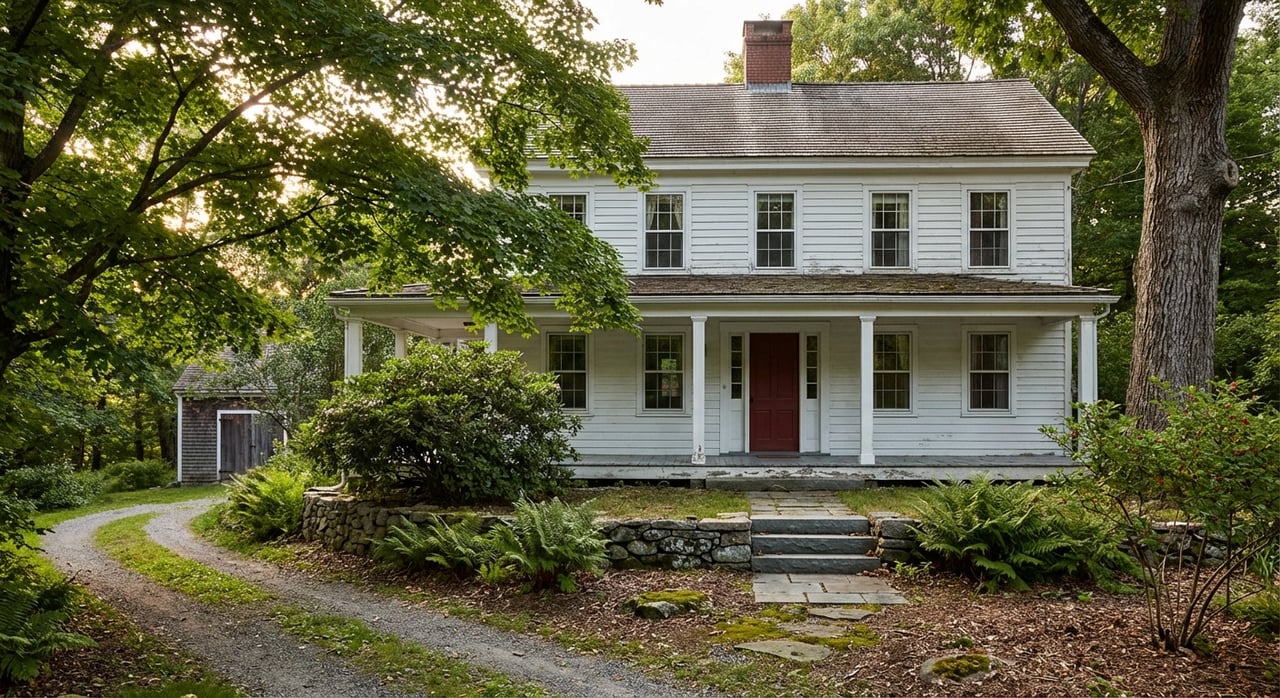
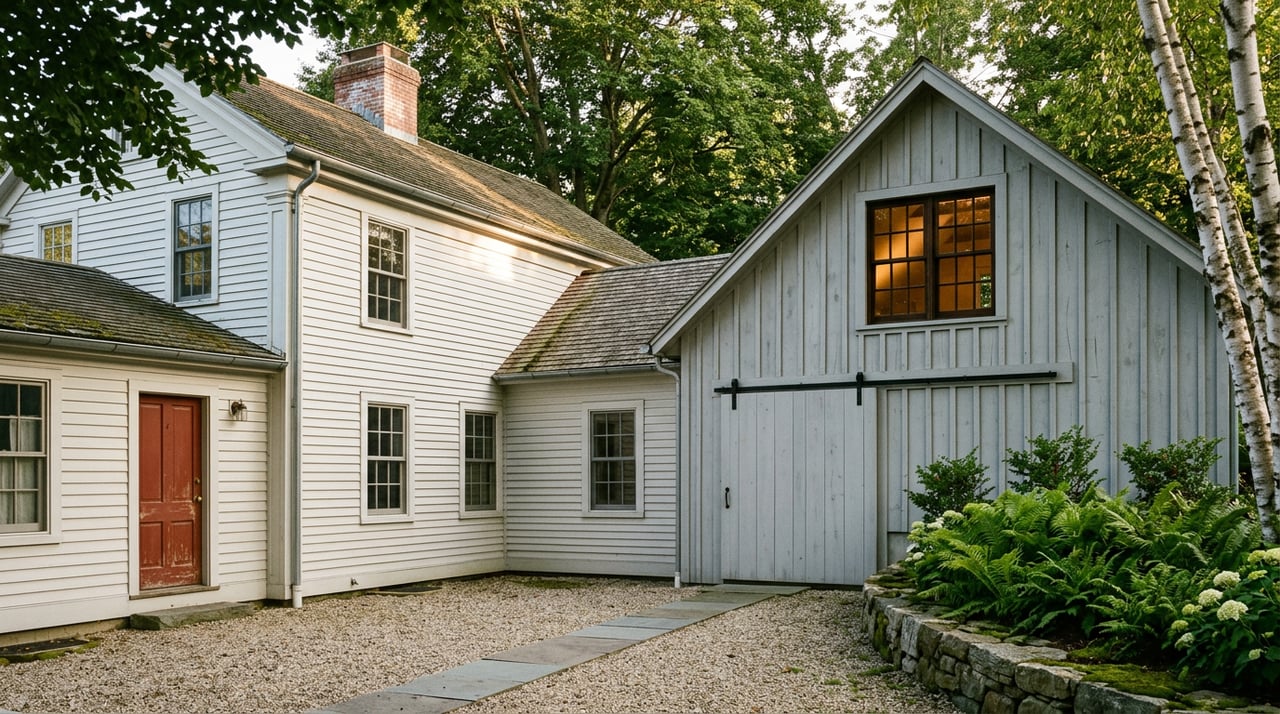
- House with an older barn or carriage house adapted as a studio, workshop, or accessory apartment. The Town code recognizes accessory apartments in detached structures such as barns and garages, subject to size, parking, and health‑department standards.
- Multi‑structure parcels where one building is workspace and another is living. These are common just outside the village core. Expect site‑plan or building‑permit triggers if you change use.
- Ground‑floor storefront with living above. This classic Main Street setup can work well if you mind parking, signage, and any historic review in the village center.
- Purpose‑built live‑work or barndominium‑style buildings in rural zones. Less common near the historic core, more likely in the town’s rural areas.
Why Catskill works for creatives
Catskill’s building stock and civic focus on reuse make it a strong match for live‑work buyers. The village has historic corridors and downtown blocks where many structures are well suited to a studio over a shop or a barn conversion. The Town’s planning materials emphasize revitalization and adaptive reuse, which helps align local processes with creative projects.
Village vs. Town: know your jurisdiction
Before you fall in love with a property, confirm whether it sits inside the Village of Catskill or in the surrounding Town. Jurisdiction controls the rules, the permit forms, and which board reviews your project. A quick call to the assessor or a check with municipal staff will confirm the parcel ID and zoning district.
- Village of Catskill rules: The Village’s zoning regulations list permitted and accessory uses, site‑plan and special permits, and an article for historic review. The Code Enforcement and Planning page hosts forms and contact details.
- Town of Catskill rules: Outside the village, the Town’s zoning and Code Enforcement govern your project, including building‑permit requirements and septic approvals.
Tip: Confirm jurisdiction early and keep notes from any calls with Code Enforcement. It saves time later.
Zoning and permits you will likely need
Accessory apartments and barn conversions (Town)
If you are eyeing a barn or detached garage in the Town, the code explicitly allows accessory apartments in existing detached structures as a site‑plan controlled use. You will need to meet floor‑area limits, off‑street parking, and Greene County Health Department requirements for water and septic. Expect to show septic capacity and, if needed, a reserve area for leach fields.
Village permits, storefronts, and historic review
In the Village, finishing a basement, converting an accessory structure to habitable space, adding signage, or opening a customer‑facing use generally requires permits. The Village regulations describe permitted uses, special permits, and the historic‑review article, which may apply in designated districts. Start with the Code Enforcement page to understand permit steps and submittal checklists.
Customer visits, parking, and life safety
If your studio will host clients, teach small classes, or sell work on site, plan for added review. Changes that create a public or customer‑serving use can trigger off‑street parking requirements, signage rules, and life‑safety standards. Describe your exact use when you call municipal staff so they can direct you to the right process.
Waterfront and floodplain overlays
Parts of Catskill lie in mapped flood zones and waterfront overlays. Converting ground‑level spaces or outbuildings in these areas can require elevation or flood‑resistant construction, and basements are often high risk. The Catskill Creek Flood Mitigation report and local flood maps are essential early reads.
Building code, utilities, and health checks
Building permits and Certificates of Occupancy
Converting a barn, garage, or storefront to add sleeping or cooking, or changing the use of a space, usually requires a building permit and may require a new Certificate of Occupancy. A change of occupancy can trigger egress, fire protection, and structural upgrades under New York State building code. The Town’s building‑permit FAQ outlines typical triggers and inspections.
Septic, sewer, and wells
For properties on private septic and well, you must show that water supply and sewage disposal meet Greene County Health Department standards. Planning boards often ask for septic capacity verification and, if needed, a reserve area. Factor in both time and cost for any upgrades.
Utilities and meters
Confirm whether the workspace has separate electric or gas service and whether the property is on municipal water and sewer or private systems. Separate meters can simplify tenant scenarios and budgeting. The Village’s forms page hosts permit checklists that help you document utilities and scope before you submit.
Broadband and connectivity
If your livelihood depends on uploads and video calls, verify broadband at the address. Ask for recent speed tests and confirm whether fiber is available at the street. Greene County has funded last‑mile fiber to unserved roads, so check whether your target property is included in recent expansions.
Budget and timeline signals
Early budgeting helps you decide whether to chase a property or keep looking. Industry guides for barndominiums and accessory‑building conversions show a broad shell‑to‑finish range around 65 to 300 dollars per square foot, with garage conversions often at the lower end because the shell exists. Treat these as planning numbers, then get local contractor bids once you have a defined scope.
Timelines vary by complexity. A modest accessory conversion without structural surprises, septic expansion, shoreline constraints, or heavy historic review can take several months for permitting and 2 to 6 months for construction. Projects in floodplains, with septic upgrades, or with historic requirements will take longer. Plan conservatively and build permitting time into your purchase contingencies.
Financing, appraisal, and insurance basics
Mixed‑use and your mortgage
Mixed‑use properties are treated differently than ordinary single‑family homes. Fannie Mae’s guidance expects appraisers to describe the mixed use, confirm it is legal under zoning, note any impact on marketability, and base residential value on residential characteristics rather than special business improvements. Rules vary by lender and program, and many lenders want the property to be predominantly residential. Disclose the mixed use to your lender at pre‑approval so you know which programs fit and what documentation is required.
How appraisers view non‑traditional spaces
Appraisers typically confirm legal permissibility, assess marketability, and weight residential comparables most heavily. If the workspace has clear rental potential, an income approach may be applied to that component and reconciled with the sales approach. Specialized business equipment rarely adds residential market value.
Insurance for studios and shops
Standard homeowners policies offer limited coverage for business property and usually exclude business liability from operations. If you plan to host clients, teach, or store equipment, talk to an insurer about a home‑business endorsement or a separate business policy before you convert or open your doors. It is a small step that can prevent big headaches.
How to vet a property: a step‑by‑step
Use this quick process during your research and due diligence window:
- Confirm jurisdiction and zoning. Identify whether the parcel is in the Village or Town and note the zoning district. Then review the applicable zoning regulations so you know what is permitted and what needs review.
- Gather the paper trail. Ask the seller for existing Certificates of Occupancy, prior building permits, septic or well records, and any variances or special permits. Missing documents may mean added time and cost to legalize past work.
- Call Code Enforcement with your exact plan. Describe the proposed use and square footage, note any client visits, and ask whether the use is permitted by right or needs site‑plan or special‑use review. The Village’s Code Enforcement and Planning page is a good starting point.
- Check flood risk and overlays. Request flood maps and read the Catskill Creek Flood Mitigation report. If the workspace sits in a flood zone, discuss elevation standards early.
- Verify utilities and broadband. Confirm meters, service type, and internet options. Greene County’s last‑mile program can help identify where fiber has expanded.
- Pre‑check with lender and insurer. Share the mixed‑use details with your mortgage originator and ask an insurance agent about coverage for equipment, liability, and client visits. Do this before you finalize your offer strategy.
Storefront dreams on Main Street
A ground‑floor studio or gallery with living quarters above is a timeless setup in Catskill’s village center. To make it work, match your use to zoning, plan for off‑street parking where required, and follow signage rules. If the building sits in a historic district, exterior changes may need review under the Village’s historic provisions. A short conversation with Code Enforcement can clarify whether your plan is by right or needs a special permit or site plan.
Work‑from‑home connectivity
If you are moving from a city loft to a rural lane, bandwidth can make or break your week. Ask sellers about their provider and recent speed tests, then confirm whether new last‑mile fiber has reached the address. Greene County’s investment in unserved roads is improving coverage, but service can vary by street. Build connectivity checks into your inspection period.
Next steps and local resources
The best projects start with good information and a clean file. Gather permits and COs from the seller, sketch your intended use and square footage, and call Code Enforcement to verify the path. If your target sits in a floodplain or historic district, get written guidance on required submittals and timelines. From there, line up bids and speak with your lender and insurer.
If you want a partner who understands Catskill’s historic fabric and the practical steps of live‑work buying, reach out to Annabel Taylor. From barn conversions to Main Street storefronts, our boutique, design‑led approach helps you read between the lines and move with confidence.
Ready to explore creative live‑work options in Catskill? Connect with Annabel Taylor to start a thoughtful search.
FAQs
What types of Catskill properties work for live‑work buyers?
- Look for a house with a convertible garage, a home plus barn or carriage house, multi‑structure parcels with flexible outbuildings, or a storefront with an apartment above. Village zoning outlines accessory uses, while Town rules allow accessory apartments in existing detached buildings like barns and garages.
Do you need a new Certificate of Occupancy to convert a barn?
- If you add sleeping or cooking space or change the use, you likely need a building permit and may need a new Certificate of Occupancy under New York State code. The Town’s building‑permit FAQ explains typical triggers.
How does flood risk affect workspace conversions in Catskill?
- Properties in mapped flood zones may face elevation and flood‑resistant construction requirements, and basements are high risk. Review the Catskill Creek Flood Mitigation report and ask municipal staff about any waterfront overlay rules before you commit.
Can you run a small retail gallery from a Catskill home?
- Customer‑facing uses can trigger off‑street parking, signage, and life‑safety review. In the Village, check permitted uses and special permits, then confirm details with Code Enforcement to avoid surprises.
Will a live‑work setup affect your mortgage approval?
- Yes. Lenders treat mixed‑use differently and often require the property to be predominantly residential. Fannie Mae expects appraisers to confirm legal use and base value on residential features, so disclose your plans to your lender early.