You want Friday sunsets by the Hudson, a walkable village for dinner, and a painless trip back to the city. Buying a weekend house in Dutchess County can deliver all of that if you plan your search with clear filters and a realistic budget. In this guide, you’ll get a quick market snapshot, commute options, property types, smart budgeting steps, and a two-day itinerary to make the most of each scouting trip. Let’s dive in.
Dutchess market at a glance
Dutchess County’s market has been steady in the upper 400s. Redfin’s recent snapshot shows a median sale price of about $498,000, with inventory and days on market that shift seasonally. Prices vary a lot by micro-market, so set town-level expectations early.
What you’ll see most often for weekend homes:
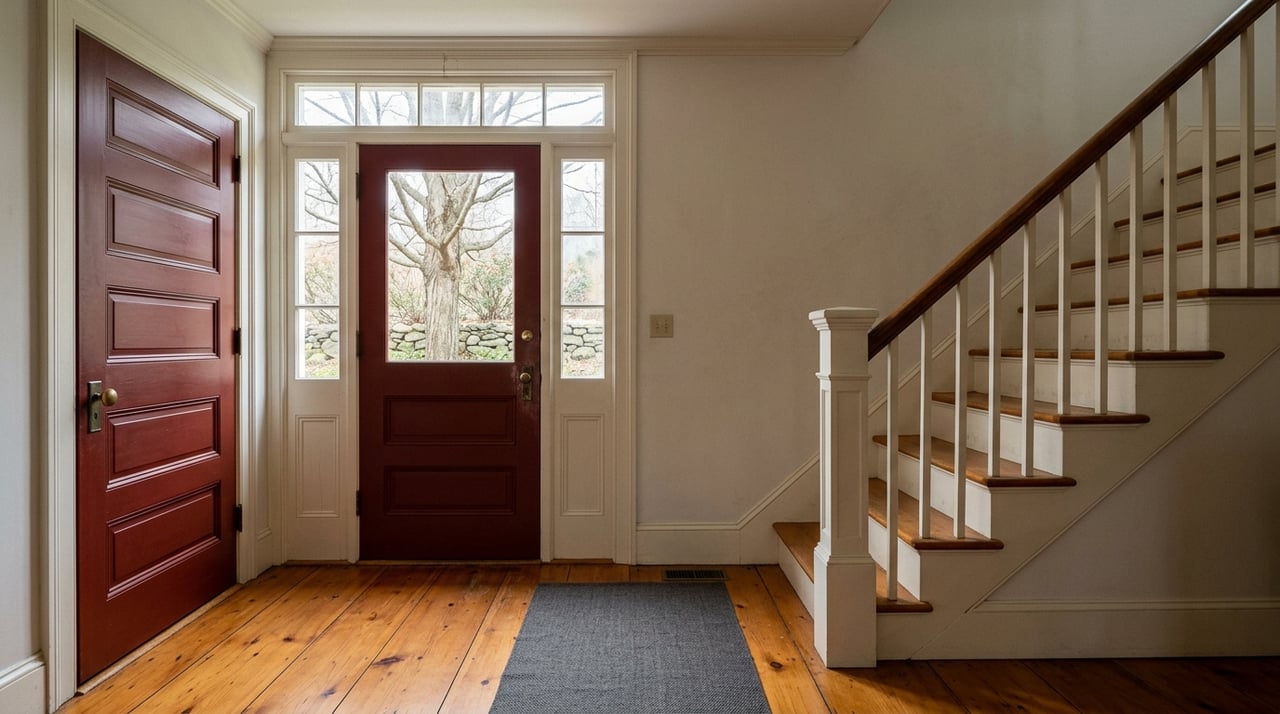
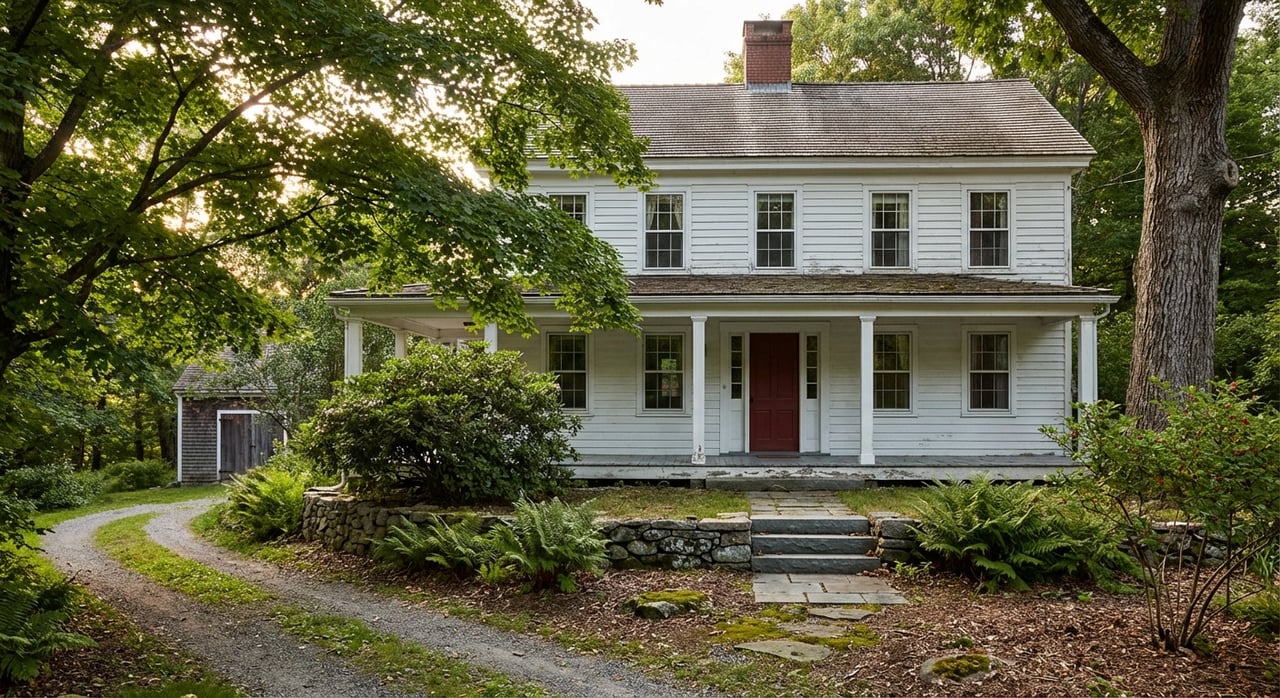
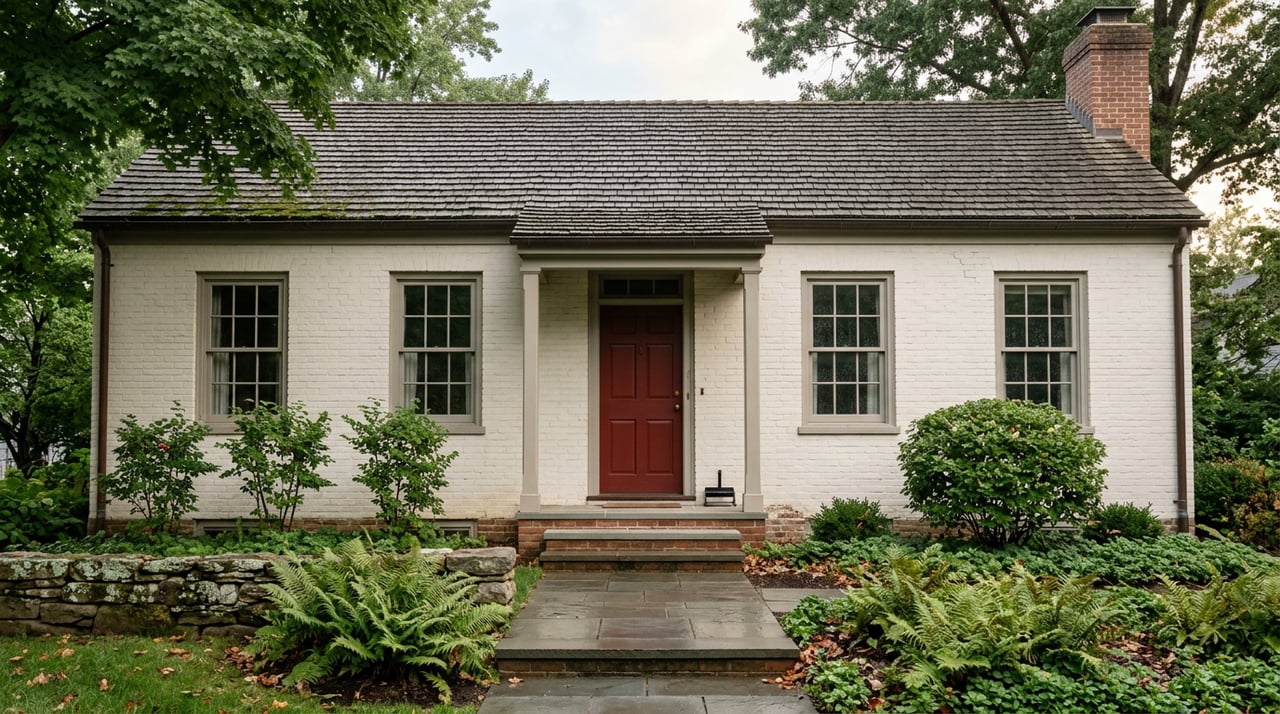
- Small historic farmhouses and Victorian-era homes, many built before 1940.
- Riverfront or Hudson-view houses, often with a price premium and flood insurance considerations.
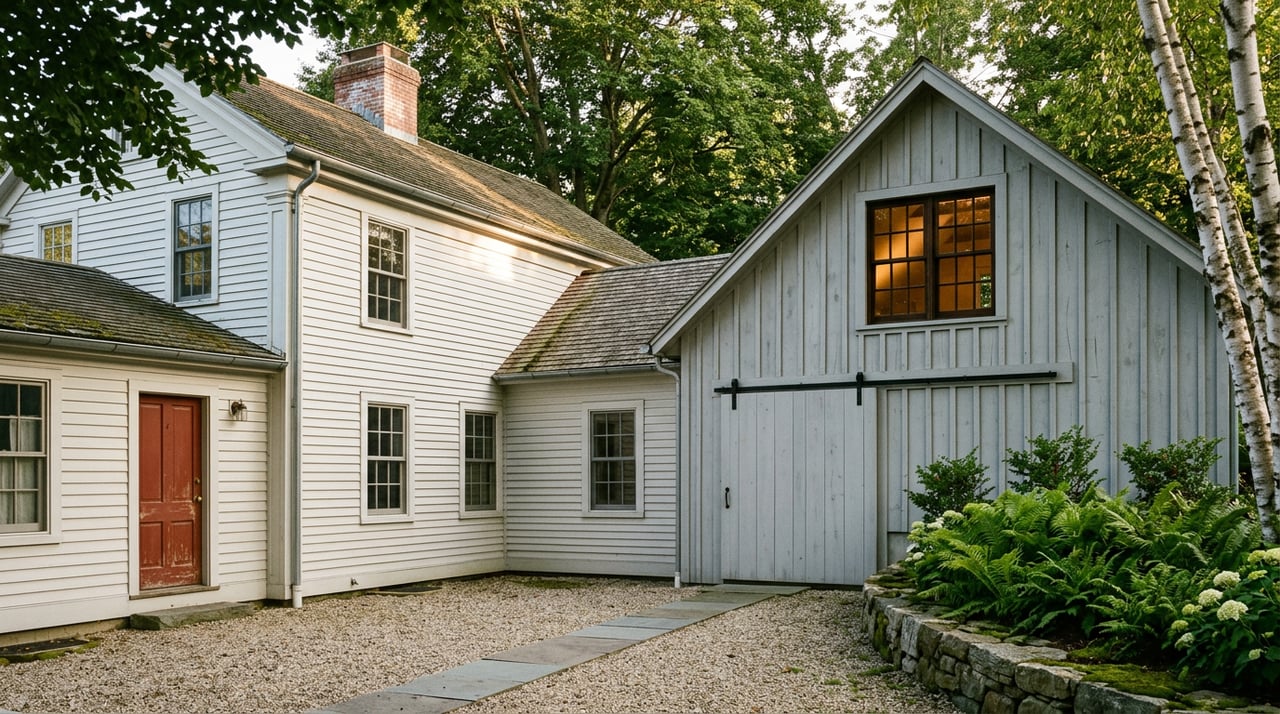
- Converted barns, cottages, and cabins used as retreats.
- Equestrian and small-acreage properties, especially around Millbrook and eastern Dutchess.
- Newer suburban homes and some condo or townhome options near Poughkeepsie area hubs.
County planning programs shape land use, village cores, and lot sizes. If you care about walkability, zoning, or rural character, review Dutchess County Planning & Development resources as you refine your map.
Why weekenders love Dutchess: you get culture and nature in one place. Beacon’s art scene and walkable Main Street, anchored by Dia:Beacon, draw many first-time visitors. Get a feel for the energy with this local guide to things to do in Beacon, then compare that vibe to Rhinebeck’s historic center or the quieter country feel around Millbrook.
Commute choices shape your map
A smooth trip sets the tone for your weekend. Start by picking your rail line or coach route, then search within a practical drive radius of that hub.
Metro-North options
Two lines serve Dutchess County. The Hudson Line runs to Beacon and Poughkeepsie, and the Harlem Line terminates at Wassaic in eastern Dutchess. In 2025–2026, Metro-North added select “super-express” Hudson Line runs that can cut Poughkeepsie to Grand Central trips to under 90 minutes on specific trains. Check current Metro-North service updates and schedules before planning your routine.
Ferries and parking
The Newburgh–Beacon ferry service has been suspended and replaced with shuttle and bus connections. If you were counting on west-bank parking plus a quick ferry hop, confirm the latest connecting options to Beacon Station as you choose a town. Parking matters too. Busy stations like Beacon can have limited availability and permit waitlists. Review local access notes on station parking and capacity before you assume an easy drive-and-park routine.
Coach bus and driving
Coach USA/ShortLine offers Hudson Valley routes to Port Authority and Midtown. Depending on the route and traffic, schedules show about 1.5 to 1.9 hours from some Hudson-area towns to Midtown. Check current Coach USA schedules if a one-seat bus commute fits your lifestyle. If you plan to drive, test your typical Friday and Sunday windows with real-time mapping so your expectations stay realistic.
Budget like a weekend owner
A second home has different math than a primary residence. Price, taxes, financing, insurance, and project costs all matter to your total monthly spend.
Price and taxes by town
Use the county median as a starting point, then drill into your target towns and neighborhoods. Redfin’s county page can help you track price trends and seasonality. Property taxes vary by municipality and school district, and school taxes are often the largest share of the bill. County materials outline levy trends and context, so plan for differences across town lines and confirm each parcel’s history with the local assessor. For budget planning, review Dutchess County budget resources and request the specific property’s tax record early in due diligence.
Second-home financing basics
Government-backed low-down-payment loans are generally for primary residences, not weekend houses. Conventional lenders treat second homes differently than investment properties. As a rule of thumb, second-home loans often require higher cash reserves and a larger down payment. While some guidelines allow a 10 percent minimum, many lenders expect 15 to 20 percent depending on your profile. Start the conversation early and be clear about your intended use, since frequent short-term rentals can change the loan type. See this overview of second-home down payment expectations.
Insurance and site exposure
Riverfront or low-lying properties may sit within FEMA Special Flood Hazard Areas, which can trigger mandatory flood insurance for federally backed mortgages. Policy limits, waiting periods, and private excess options vary, so check maps and quotes before you offer. For a plain-language summary of the National Flood Insurance Program, read this Congressional Research Service overview. Rural homes with private wells and septic systems also carry specific risks. Budget for a thorough well test and a septic evaluation so you understand potential costs.
Renovation and surprise costs
Older Hudson Valley homes are full of charm, and they can hide big-ticket items. Plan for both updates and contingencies.
- Cosmetic projects like paint and flooring: a few thousand to low five figures.
- Kitchens: a typical mid-range refresh often runs about 20,000 to 60,000 depending on scope and finishes. For market medians and ROI context, browse Fixr’s cost-vs-value references.
- Septic: minor repairs can be a few thousand, while engineered or mound replacements commonly reach 10,000 to 20,000 or more depending on site constraints. Learn more about septic replacement ranges.
- Hidden issues in older homes: knob-and-tube wiring, lead paint, older oil-fired systems, or roof and foundation concerns. Build a 15 to 25 percent contingency into your renovation budget for pre-1940 properties unless the systems were already modernized.
Narrow your search fast
Use a few clear filters to shrink the map and focus each weekend.
Commute and station. Choose a specific line and station, then set a 10 to 30 minute drive radius around it. Align showings with actual Metro-North schedules or Coach USA routes.
Walkable village vs. rural acreage. If you want dinner and groceries on foot, focus on village cores like Beacon or Rhinebeck. If you want land, expand to inland hamlets and estate areas.
Property type. Decide on small-lot historic, equestrian acreage, or waterfront. Price and availability vary by type and town. Cross-check land-use context with Dutchess County Planning.
Rules that affect use. If you plan to host family regularly or rent when you are away, confirm municipal zoning and any short-term rental restrictions early. Use town clerk pages and local code libraries, such as this example municipal code reference, to guide your due diligence.
For a taste of weekend town energy, preview Beacon’s cultural highlights and compare them to Rhinebeck’s historic center or the quieter zones near Millbrook.
Your 2-day scouting plan
Here is a simple weekend template that respects travel time and decision fatigue.
- Friday evening: Arrive, walk Main Street, check the train station or park-and-ride, and note dinner and grocery options.
- Saturday morning: Tour 2 to 4 top listings in your primary town. Sit down for lunch in the village to get a feel for year-round foot traffic.
- Saturday afternoon: See 1 to 2 “stretch” properties in a different town or on larger acreage. If a home stands out, line up a quick consult with a contractor or inspector.
- Saturday evening: Narrow to 2 or 3 contenders. Request disclosures and utility or maintenance records.
- Sunday: Revisit your front-runner for measurements and renovation ideas. Touch base with your lender about numbers and terms.
Check live Metro-North updates and Coach USA schedules as you set your timetable.
Due diligence essentials
A little structure helps you buy with confidence. Use this checklist during offer and contingencies.
- Financial prep: Get pre-approved for a second-home loan and confirm down payment, reserves, and debt-to-income expectations. Clarify sources like savings or a HELOC.
- Market homework: Pull 6 to 12 months of local comps and review seasonality on Redfin’s county page.
- Infrastructure and utilities: Note oil vs. gas heat, age of systems, septic and well status, internet and cell coverage, driveway grade and winter plowing needs.
- Municipal rules and taxes: Verify the parcel’s tax history with the assessor. Review zoning, accessory structures, and any short-term rental rules with the town clerk and planning resources.
- Environmental and insurance: Check FEMA flood maps and wetlands presence to understand insurance needs. For NFIP basics, read the CRS flood insurance summary.
- Inspections and specialists: Hire a New York–licensed inspector and add septic, well, radon, lead paint, chimney, and structural reviews as needed. Start with the New York State Association of Home Inspectors. For private wells and water quality, use county guidance from the Dutchess County Department of Behavioral & Community Health.
Work with a design-led local advisor
You are not just buying square footage. You are choosing a setting, a rhythm, and a story. If you want historic detail, walkable village life, or a quiet river cottage, it helps to tour with someone who knows the architecture, the micro-markets, and the commute. For curated, design-forward guidance on weekend homes across the Hudson Valley, connect with Annabel Taylor. Let’s tell your home’s story.
FAQs
What is the current median home price in Dutchess County?
- As of a recent snapshot, Redfin reports a county median sale price near $498,000, with town-level prices varying by location and property type.
How long is the train from Poughkeepsie to Grand Central on select runs?
- Metro-North added “super-express” Hudson Line trips that can bring some Poughkeepsie to Grand Central runs to under 90 minutes on specific trains; always check current schedules and notices.
Do I need flood insurance for a Hudson riverfront home in Dutchess?
- If the parcel lies in a FEMA Special Flood Hazard Area and you use a federally backed mortgage, flood insurance is typically required; review the NFIP overview and get quotes before you offer.
What down payment do lenders expect for a second home?
- Conventional second-home loans often start around 10 percent minimum under some guidelines, but many lenders expect 15 to 20 percent plus cash reserves; see this second-home financing explainer.
How can I check well and septic systems before I buy in Dutchess County?
- Order a full home inspection with septic and well testing, and review county guidance. Start with NYSAHI for inspectors and Dutchess County water-quality resources.
Is weekend parking easy at Beacon Station?
- Parking can be tight and permits may have waitlists at popular stations like Beacon; review local access notes and capacity via Moving Dutchess Forward.