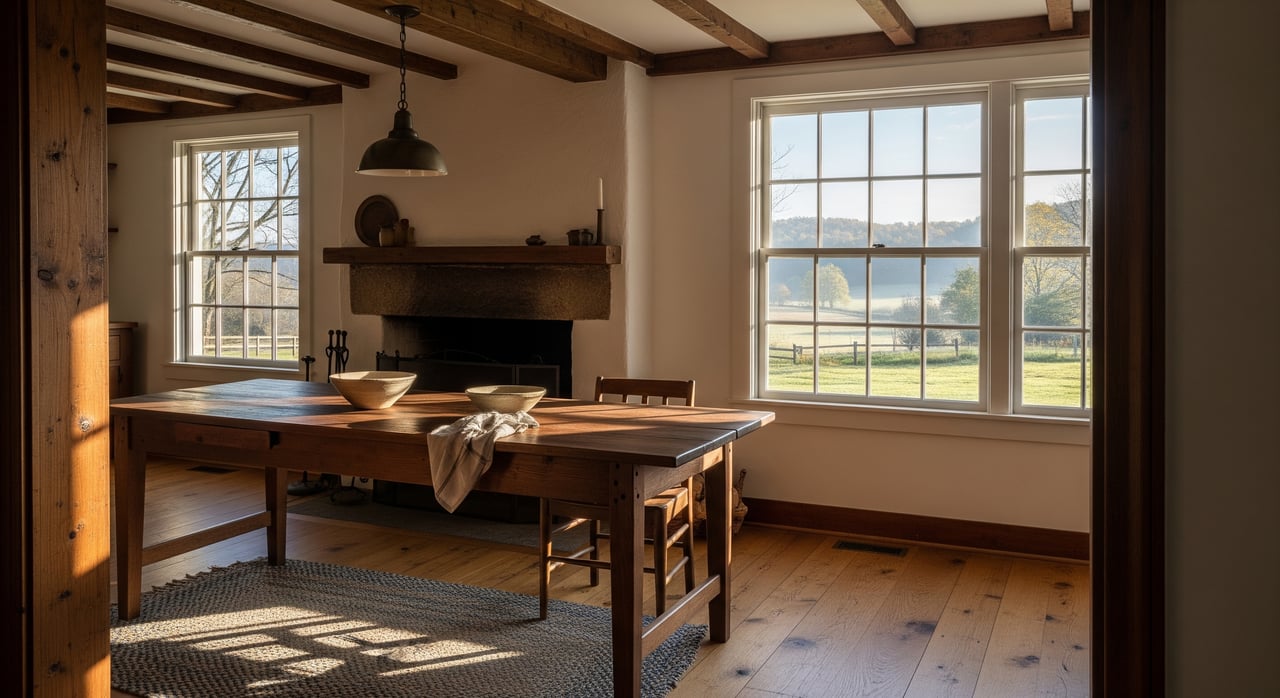
You can almost hear them before you see them: floorboards with a soft creak, a screen door that clicks, and wind moving through maples beside an old stone wall. If you daydream about a life that balances good design with country rhythms, Columbia County’s classic farmhouses deliver charm with purpose. In this guide, you’ll learn how these homes were built, what details to look for, how the landscape shapes daily life, and what to know before you buy or renovate. Let’s dive in.
What defines a Columbia County farmhouse
Columbia County grew around agriculture from the 18th century into the early 20th century. That history shows in houses that favor simple forms, working layouts, and durable local materials like timber and fieldstone. Many properties still read as compact farmsteads with the house, a barn, and a few practical outbuildings.
You’ll see the broader Hudson Valley story here too. Dutch and English colonial traditions set the foundation. Later, Greek Revival, Gothic Revival, and Italianate influences layered in porches, pilasters, and decorative trim. In the 20th century, owners added larger kitchens and relaxed plan changes that make these homes livable today while preserving exterior character.
Styles you will see
Exteriors and materials
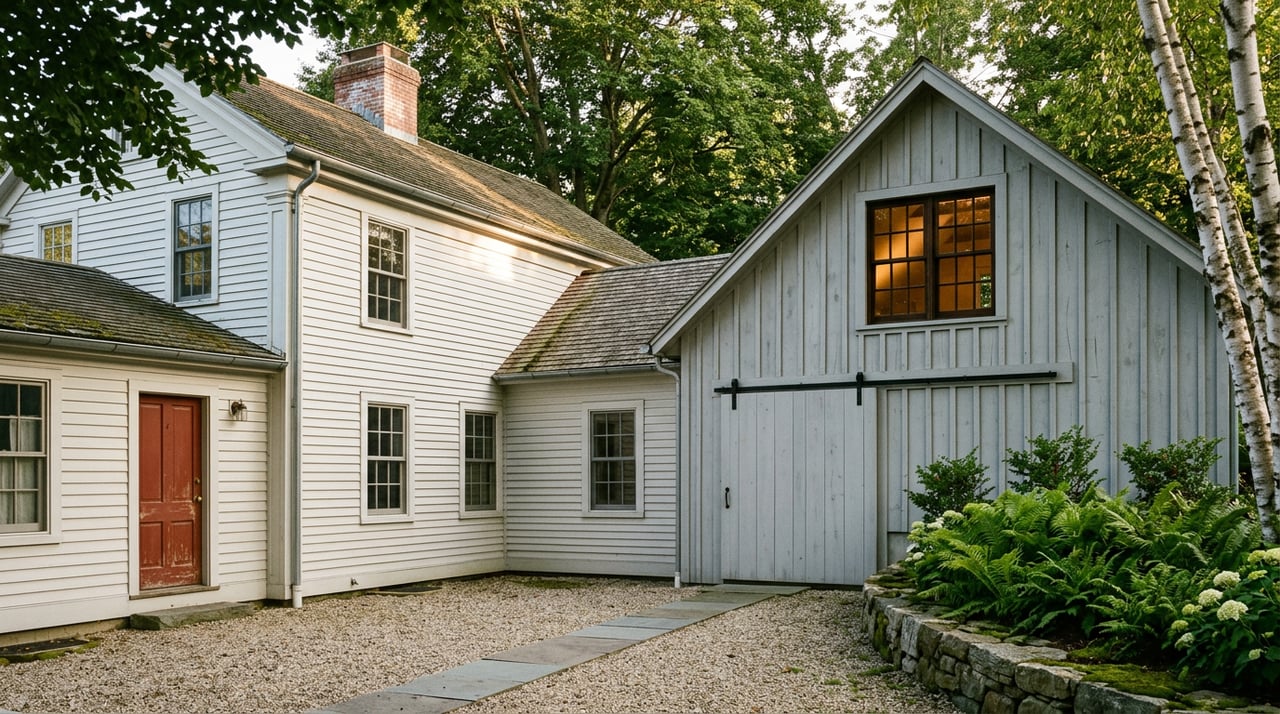
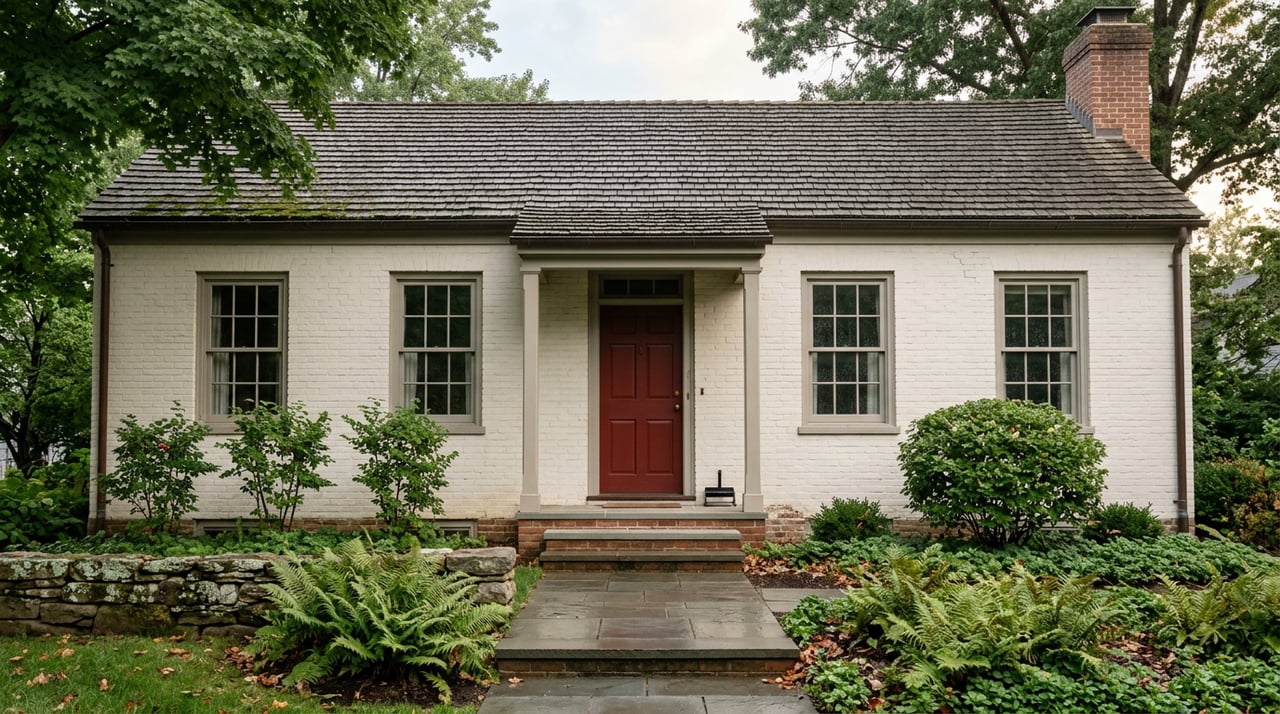
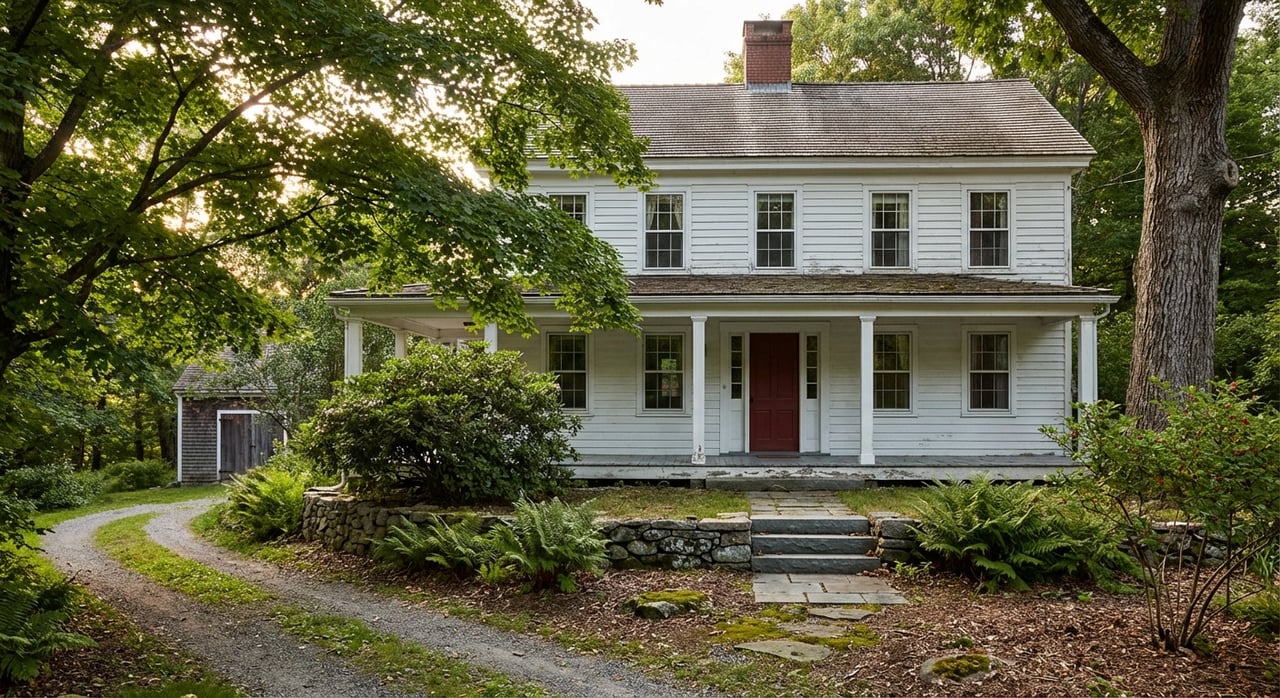
Most farmhouses present a straightforward gable-roof form and a modest footprint. Historic siding is typically wood clapboard, though some houses show board-and-batten or shingles. Foundations are often local fieldstone, sometimes left exposed, sometimes parged, with dry-laid stone walls stepping through the landscape.
Original roofs were wood shingles. Many restorations now use standing-seam metal for durability and a crisp profile. Windows are usually double-hung sash, often six-over-six with narrow muntins. Look for classical door surrounds, transoms, and sidelights in houses with Georgian, Federal, or Greek Revival influence.
Plans and room flow
Early vernacular houses often followed center- or side-chimney plans. As styles shifted in the 19th century, center-hall layouts became common, especially in Greek Revival-era houses. Most homes evolved into an L-shape over time as owners added a rear ell for the original kitchen, pantry, and workspaces.
Today, you’ll often find a thoughtful blend. Many owners open a kitchen to create a social hub while keeping the charm of formal rooms with plaster walls and simple, well-proportioned moldings. Done well, this gives you the best of both worlds: an easy everyday flow without losing historic scale.
Interiors and finishes
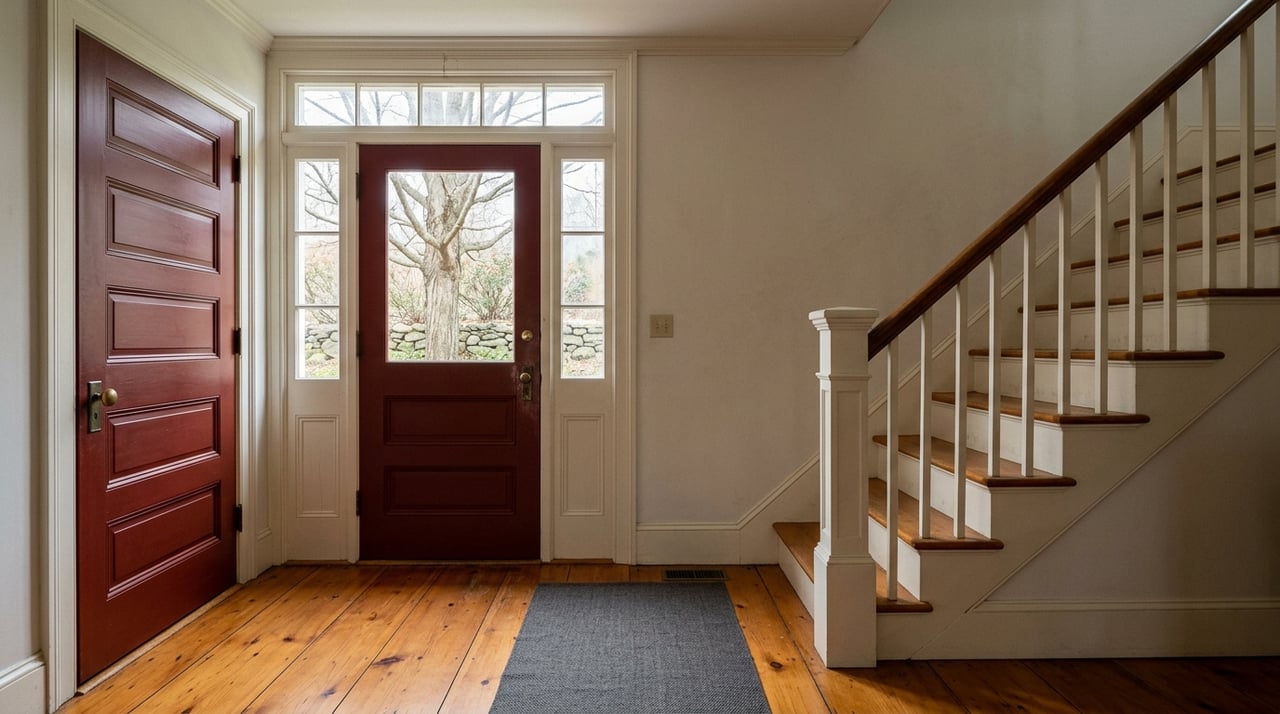
Inside, wide-plank floors and exposed hand-hewn beams are signature features. Plaster walls over lath bring a soft texture that pairs well with both vintage and modern furnishings. Early houses tend to show restrained trim, while later examples add more ornament.
Fireplaces once handled both cooking and heat. You may still see large hearths, bake ovens, or wood stoves. Many kitchens moved into modernized spaces over the last century, so expect a mix of old and new that rewards a careful eye.
Dutch and Victorian touches
Some properties carry Dutch Colonial cues, such as gambrel roofs or flared eaves that shelter porches. Others show romantic 19th-century touches like bracketed cornices, pointed-arch trim, or Gothic Revival influence. These details often appear as overlays on otherwise simple farmhouse forms, and they add personality without overwhelming the architecture.
Barns and their companions
Barns are the anchor of many farmsteads. In the Hudson Valley, you’ll commonly see English barns with rectangular forms and gable roofs, and bank barns sited into a slope so both levels are accessible at grade. Heavy timber frames with pegged mortise-and-tenon joinery rest on fieldstone foundations that may need attention but are often worth saving.
Other outbuildings add layers of use and history. Carriage houses, milk houses, springhouses, smokehouses, corn cribs, and later silos show how families worked the land. Today, many barns convert to studios, workshops, garages, or event spaces. Adaptive reuse is popular, but it takes structural review, code checks, and sometimes zoning approvals before you plan occupancy changes.
Landscape and lifestyle rhythms
Siting is practical and beautiful. Many farmhouses face a road or yard with fields or pasture extending behind them. Stone walls, hedgerows, woodlots, and stream frontage define patterns across the property. Orientation often reflects sun for gardens, shelter from prevailing winds, and proximity to a spring or stream.
Life here follows the seasons. Spring brings planting and garden prep. Summer stretches into porch dinners and long days in the barn studio. Fall marks harvest, orchard care, and stacked firewood. Winter maintenance matters too, from roof checks to wood heat routines that make cold months comfortable.
Modern owners mix creative work and country hobbies with ease. You may tend raised beds, keep chickens, or host a weekend gathering outdoors. The beauty of these properties is how well they hold both quiet routines and big, convivial moments.
Buying and renovating with care
Historic farmhouses reward attention to detail. Before you fall for a view or a wide-board floor, build a plan for due diligence. A thorough inspection by a professional who knows older homes will save you time and money.
Common condition themes to anticipate:
- Structure: Settlement, sill rot, deteriorated floor joists, and issues with hand-hewn beams can arise. Stone foundations may show wear and need repair.
- Roofing and water: Aging roofs, poor flashing, and inadequate gutters lead to water intrusion. Proper drainage and grading are essential.
- Mechanical systems: Expect mixed systems added over decades. Heating, insulation, and electrical capacity often need modernization.
- Environmental hazards: Lead paint in pre-1978 houses, possible asbestos in older systems or insulation, and outdated knob-and-tube wiring are not unusual. Professional testing is prudent.
- Septic and wells: Many rural homes rely on private systems. Septic age, capacity, and soils can limit expansion or subdivision, and replacement costs can be significant.
A balanced renovation approach preserves character while upgrading comfort. Air sealing, added insulation, and high-efficiency heat pumps designed for cold climates can make a big difference if planned by experienced contractors who respect historic fabric. Window upgrades are possible when done sensitively, but original sash can often be restored and paired with storm units for performance.
Barn reuse the right way
If a barn draws you in, start with the basics. Many frames are robust and salvageable, but roofs and foundations often need work first. Stabilization, new roofing, and drainage improvements usually top the list.
Before you plan a studio or guest space, check local code and zoning for occupancy changes. You may need permits, engineering, or fire separation strategies depending on use. A preservation-minded architect or contractor with timber-frame experience is an invaluable partner here.
Rules and resources to check
Every town handles approvals differently. Some places have historic districts or landmark regulations that govern exterior changes. Town planning and building departments manage permits, and historic preservation commissions may review designs in designated areas.
Conservation easements are common in the region and can shape what you can and cannot change. Easements are typically held by land trusts and recorded on the deed. Always review deed records and ask for documentation early in your process.
If you plan small-scale agriculture, look into agricultural assessments and related property tax programs. Eligibility depends on acreage and documented use. For guidance, consult:
- Columbia County planning, building, and assessor offices for zoning, permits, and assessment questions
- New York State Office of Parks, Recreation and Historic Preservation, including the CRIS database for historic resources
- Columbia Land Conservancy for conservation and easement context
- Hudson River Valley National Heritage Area for regional history and architecture
- Preservation League of New York State for preservation best practices
- Cornell Cooperative Extension for small-farm resources, soils, and land-use insights
- Local historical societies and town historians for property histories
Smart first steps for buyers
Build a team early. Hire a home inspector familiar with historic structures. If you suspect timber or foundation issues, add a structural engineer. Bring in a preservation-minded contractor or architect to align scope, budget, and timeline.
Key questions to ask sellers or agents:
- What is known about the age and history of the house and outbuildings?
- Which major repairs or replacements have been completed and when, such as roofing, foundation, or mechanicals?
- Are there recorded easements or conservation restrictions on the property?
- Do you have septic and well records, including capacity and service history?
- Were permits obtained for past renovations, and are plans available?
Cost expectations are property specific. Cosmetic updates are usually straightforward, but older homes can reveal surprises once work begins. Plan for a buffer, especially if you anticipate septic replacement, foundation repair, or full mechanical upgrades.
Dutchess and Putnam context
Nearby Dutchess and Putnam counties share the same Hudson Valley DNA. You will see similar farmhouse forms, barn types, and stylistic overlays, from Dutch Colonial traces to Greek Revival facades. The same practical guidance applies, including septic and well diligence, barn stabilization before reuse, and checks for local historic rules and conservation easements.
These counties also mix working farms, hobby farms, and rural residences, much like Columbia County. If you are comparing properties across county lines, focus on siting, outbuilding condition, and the clarity of records. A strong due diligence playbook travels well.
A note on everyday comfort
Hudson Valley winters are cold, which makes insulation and roof care a priority. Good drainage and grading help foundations through spring thaw. Preventing ice dams, servicing heating systems ahead of winter, and managing wood storage all contribute to an easier season.
Energy improvements are most effective as a package. Air sealing plus targeted insulation creates the baseline. Pair that with high-efficiency heating, mindful window strategies, and careful moisture management to protect historic materials while boosting comfort.
Ready to explore
If you are drawn to the measured proportions of a Greek Revival porch or the honest texture of a hand-hewn beam, you are in good company. Columbia County’s farmhouses, and their counterparts in Dutchess and Putnam, offer a lived-in elegance shaped by work, weather, and time. With the right plan and partners, you can preserve that story while writing your own.
When you are ready to tour, compare, and buy with confidence, let a design-led expert guide your search. To explore both in-town historic homes and rural farmsteads with editorial care, connect with Annabel Taylor. Let’s tell your home’s story.
FAQs
What floor plans do Columbia County farmhouses usually have?
- Expect simple rectangular or L-shaped plans with rear ells for service spaces, early center- or side-chimney layouts, and later center-hall plans, often updated with open kitchens.
Are Hudson Valley barns typically reusable or beyond repair?
- Many heavy-timber barns are structurally salvageable, but roof and foundation work often comes first; adaptive reuse is common with proper structural review and approvals.
Which systems are hardest to update in historic farmhouses?
- Septic and well systems, stone foundations, and major roof or timber repairs are typically most complex; modern heating upgrades may also require changes to distribution.
Are there rules limiting exterior changes to historic homes?
- Possibly; local historic districts, landmark designations, and conservation easements can limit alterations, so check town commissions, building departments, and deed records.
How does the Hudson Valley climate affect maintenance?
- Cold winters raise heating needs and roof care, while spring thaw stresses foundations and septic systems; air sealing, insulation, and drainage are essential for durability.