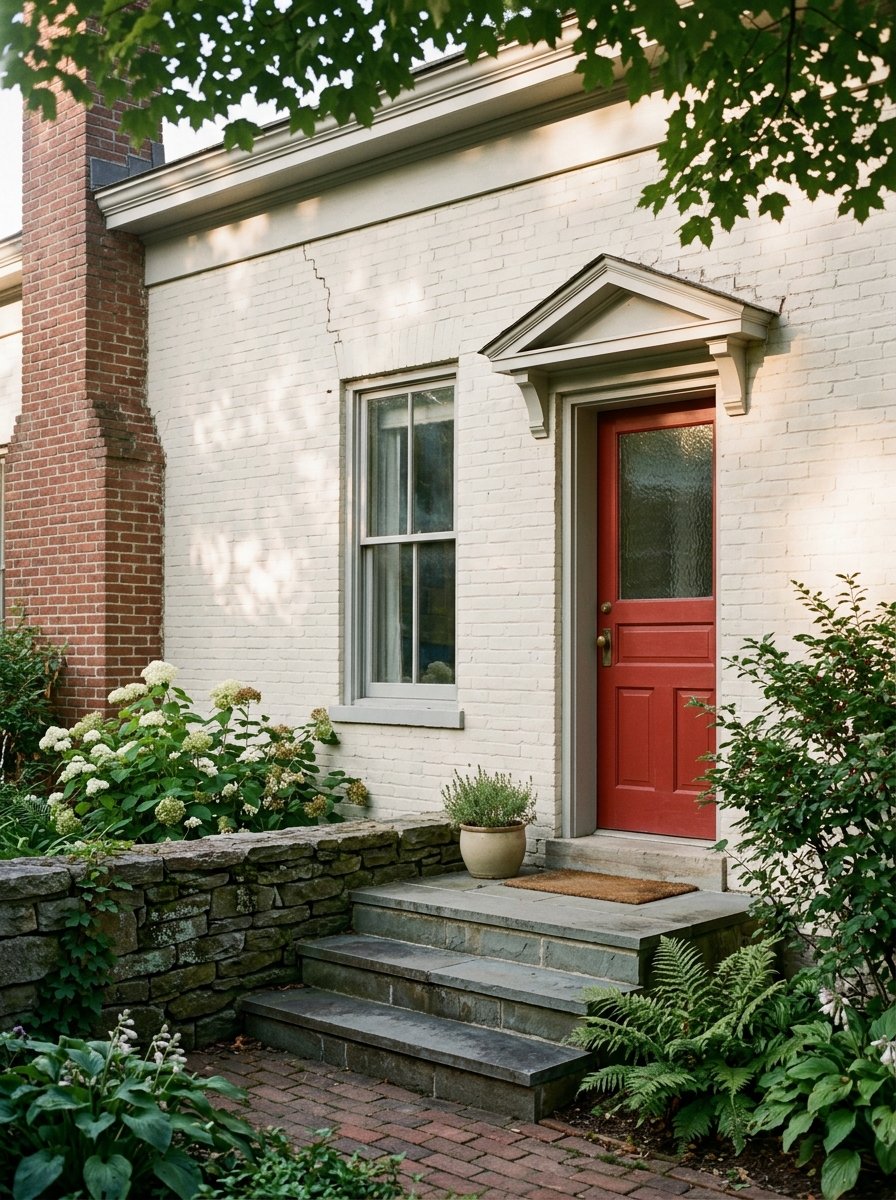
If your Catskill home has great bones, thoughtful restoration, or a point of view, a standard listing approach may leave too much value on the table. Many buyers start their search online, and they often decide within moments whether a property feels worth a closer look. For a design-forward home in Catskill, that means your marketing has to do more than document rooms. It needs to tell a clear story about architecture, setting, and why this particular house matters. Let’s dive in.
Why Catskill calls for thoughtful marketing
Catskill is not a generic backdrop. The village presents itself through history, artistic heritage, outdoor beauty, Main Street commerce, and landmarks like the Thomas Cole Historic Site. Local planning documents also note that historic resources shape neighborhood character and sense of place, especially in and around the East Side Historic District.
That context matters when you sell. Buyers are often responding not just to square footage, but to a home’s relationship to the village itself. A well-marketed property can connect original details, restoration work, and location to the broader story of Catskill as a place defined by history, culture, and active reinvestment.
Buyers see your home online first
The strongest case for editorial marketing is simple: buyers are usually meeting your home on a screen before they ever see it in person. In the 2025 National Association of REALTORS profile, 43% of buyers said their first step was looking online for properties. Among buyers who used the internet, photos were the most useful feature for 83%, followed by detailed property information at 79%, floor plans at 57%, and virtual tours at 41%.
That matters even more in a market like Catskill, where many buyers may be coming from outside the immediate area. They need to understand the house quickly. They also need enough confidence in the home’s authenticity, condition, and setting to decide it is worth the trip.
Why presentation still affects outcomes
Local market data suggests that presentation remains important. Redfin reported a Greene County median sale price of $398,886 in April 2026, up 14.8% year over year, with a median of 80 days on market and a 94.3% sale-to-list ratio. Realtor.com showed Catskill with a median listing price of $499,894, 77 homes for sale, a 98% sale-to-list ratio, and average sales at 1.78% below asking in March 2026.
Those sources use different methods, so the exact numbers are not identical. Still, they point to the same takeaway: pricing discipline and presentation can influence how buyers respond. In a buyer’s market or a balanced one, strong visuals and clear storytelling can help your home stand out.
Lead with an architectural point of view
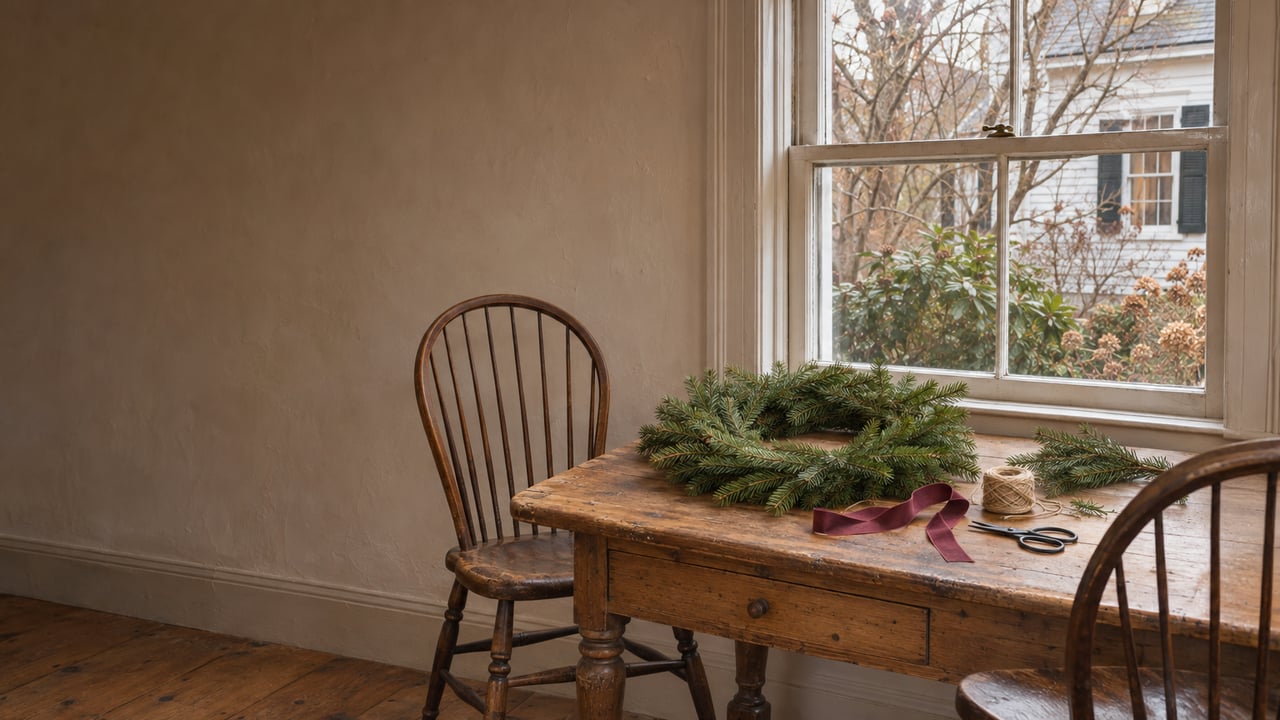
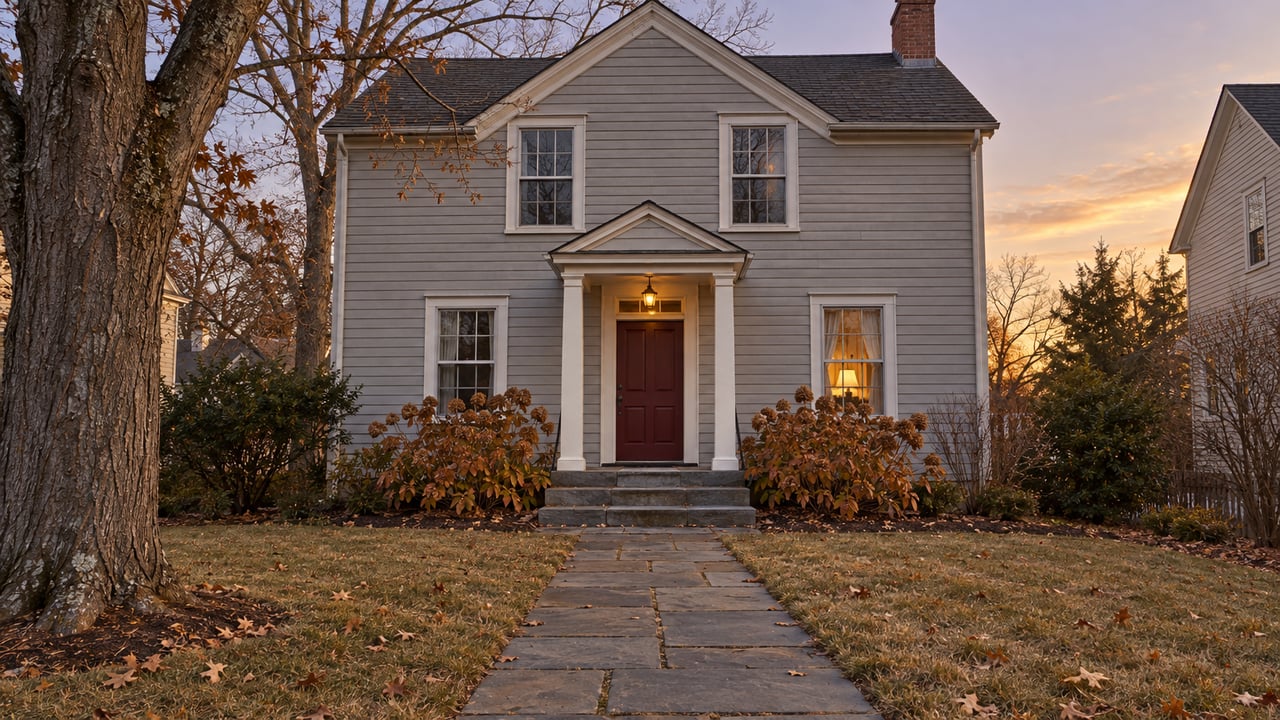
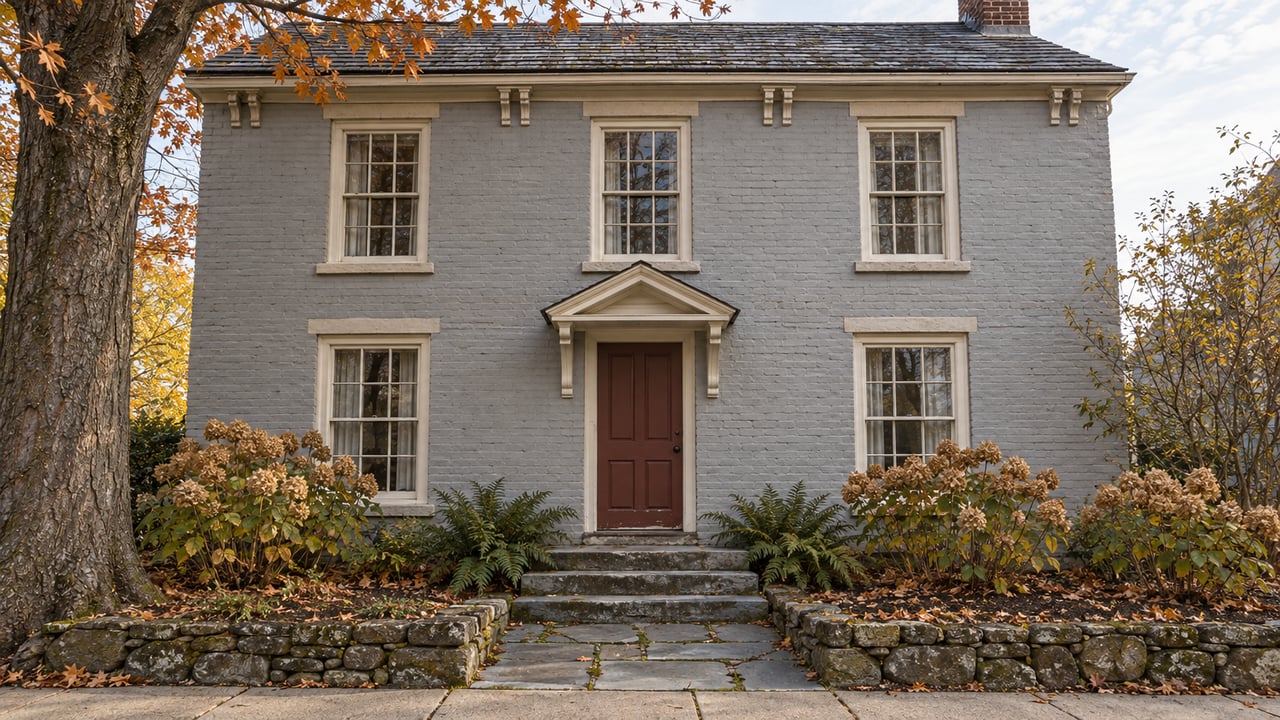
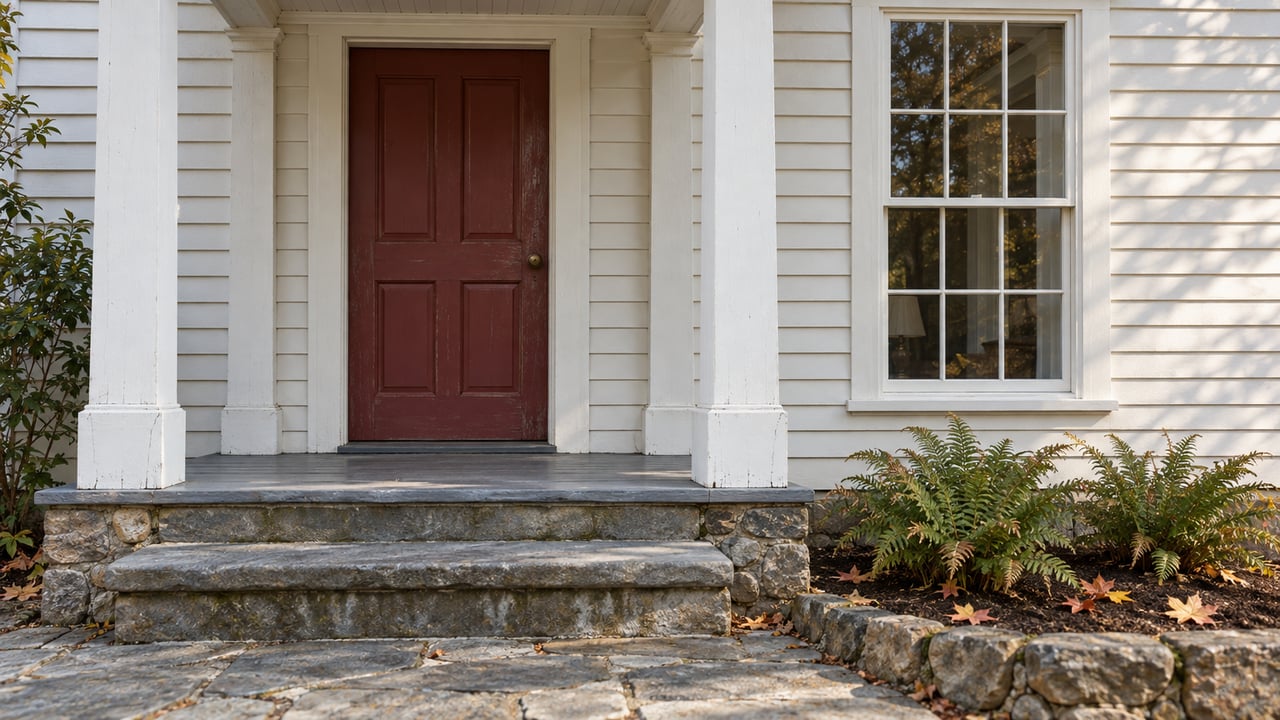
A design-forward Catskill home should not be marketed like a simple room-by-room inventory. The first impression should feel more like an architectural edit. That means leading with images that establish mood, proportion, craftsmanship, and exterior presence.
In many cases, the most effective photo sequence starts with a strong exterior hero image. From there, detail shots can carry the narrative, including windows, millwork, fireplaces, staircases, floors, hardware, and visible restoration work. These details help buyers understand not just what the home includes, but what kind of home it is.
Show character before quantity
If you have original fabric or thoughtful updates, the photography should make that legible. A deep window casing, a handrail worn smooth with time, or a restored floor can say more than another wide shot of an empty bedroom. Design-minded buyers tend to respond to evidence of care.
That does not mean skipping practical information. It means pairing beauty with clarity. The visual story should invite buyers in while helping them grasp condition, style, and authenticity.
Use floor plans and virtual tours
For out-of-area buyers, layout matters almost as much as appearance. Floor plans and virtual tours help explain scale, flow, and how rooms connect. According to NAR data, both are meaningful tools for online shoppers.
This is especially useful in older homes, where room arrangement may be more nuanced than in new construction. A strong floor plan can answer questions before they become objections.
Write copy that explains the house
Design-forward homes often need interpretation. If your Catskill property includes historic details, later additions, or a notable restoration arc, your listing copy should separate those elements clearly. Buyers should not have to guess what is original, what has been improved, and how the home has evolved.
That written story can also place the home within Catskill’s broader context. The village’s connection to Thomas Cole, the Hudson River School, historic districts, Main Street, and the waterfront gives your listing a richer framework. When handled well, that context adds meaning without slipping into generic lifestyle language.
Focus on provenance and restoration
The most effective copy often answers a few simple questions:
- What period or style cues define the home?
- Which details appear original or early?
- What restoration or renovation work has been completed?
- Where are the transitions between historic fabric and newer work?
- How does the property relate to its village setting?
This kind of copy builds trust. It shows buyers that the home has been presented with care and that the seller understands its value beyond finishes alone.
Translate location into practical terms
Out-of-area buyers usually need simple, concrete orientation. Greene County’s official directions information notes that Catskill is reached from New York City via I-87 North to Exit 21 and from Albany via I-87 South to Exit 21. County economic development materials also describe Exit 21 as roughly 100 miles north of New York City and 30 miles south of Albany.
That kind of plain-language geography helps buyers picture the trip. It also keeps your marketing useful and grounded. Rather than relying on vague claims, you are giving people a practical sense of how Catskill fits into the region.
Time the launch carefully
Timing affects how your home is photographed and how it is experienced. Realtor.com’s 2026 Best Time to Sell report suggests mid-April can bring more views, less competition, and faster sales nationally. While that is a national benchmark rather than a Catskill-specific rule, it does support the idea that launch timing deserves strategy.
In Catskill, local streetscape conditions matter too. The village is actively highlighting Main Street restoration plans, and Downtown Revitalization Initiative materials describe funded projects including streetscape improvements, wayfinding, and waterfront access connections. If exterior construction or sidewalk work is active near your property, it is wise to account for that when planning photography and open houses.
Check historic-district rules before pre-listing work
For historic or design-conscious homes, sellers often want to freshen the exterior before going to market. In Catskill, that should start with a code check, not a paint color. The village code enforcement page states that permits are required for roof, shingle, window, and siding work, and specifically for painting, windows, and siding in the Historic District.
That makes early planning important. If your facade, trim, siding, or windows are part of the home’s value story, you want to verify requirements before scheduling contractors or staging improvements.
Potential tax credit conversations
Some historic homes may also invite questions about rehabilitation incentives. New York State’s Historic Homeownership Rehabilitation Tax Credit offers a 20% state income tax credit for qualified rehabilitation expenses on owner-occupied historic homes when eligibility requirements are met. Those requirements can include listing status or contributing-building status in a historic district, advance project approval, census-tract criteria, and minimum spending thresholds.
This should be framed carefully. It is not a blanket benefit for every older Catskill house. Still, if a property may qualify, it can be a useful point for buyers to verify during their due diligence.
Treat the MLS as the starting point
For a special Catskill property, the MLS is necessary, but it should not be the whole plan. Buyers value photos and detailed information, and many are deciding remotely whether to visit. A design-forward listing benefits from broader digital distribution, a dedicated property page, and storytelling that gives the home shape and meaning.
That is where editorial strategy can change the outcome. Instead of asking the market to notice your home, you create a presentation that earns attention. For sellers with architecturally significant or carefully restored properties, that distinction matters.
What strong Catskill marketing really does
At its best, marketing a design-forward Catskill home is place-based and precise. It presents the property as part of a village known for history, art, Main Street character, and visible public investment. It helps buyers understand not just what they are seeing, but why it belongs here.
That kind of work is especially valuable when a home has provenance, nuance, or visual integrity that cannot be captured by a short description and a handful of standard photos. If your house tells a richer story, your marketing should be built to tell it well.
If you’re preparing to sell a historic or design-led home in Catskill, Annabel Taylor can help you shape a presentation that feels editorial, grounded, and true to the property. Let’s tell your home’s story.
FAQs
How should you market a historic home in Catskill, NY?
- Focus on strong photography, detailed property information, floor plans, virtual tours, and clear copy that explains original details, restoration work, and village context.
Why does editorial marketing matter for a Catskill listing?
- Many buyers begin online, and photos and detailed information are among the most useful features in their search, so a design-led presentation can help your home stand out early.
What should sellers highlight in a design-forward Catskill home?
- Sellers should highlight architectural details, visible craftsmanship, restoration quality, layout clarity, and the home’s connection to Catskill’s historic and cultural setting.
Do you need permits for exterior work on a Catskill home before listing?
- In the village, permits are required for roof, shingle, window, and siding work, and for painting, windows, and siding in the Historic District, so it is smart to verify requirements before starting updates.
Can a Catskill historic home qualify for New York tax credits?
- Some owner-occupied historic homes may qualify for New York’s Historic Homeownership Rehabilitation Tax Credit, but eligibility depends on specific property and project requirements that should be confirmed.
How can out-of-area buyers understand Catskill location quickly?
- Clear location language helps, such as noting that Catskill is reached via I-87 Exit 21 and sits roughly 100 miles north of New York City and 30 miles south of Albany.